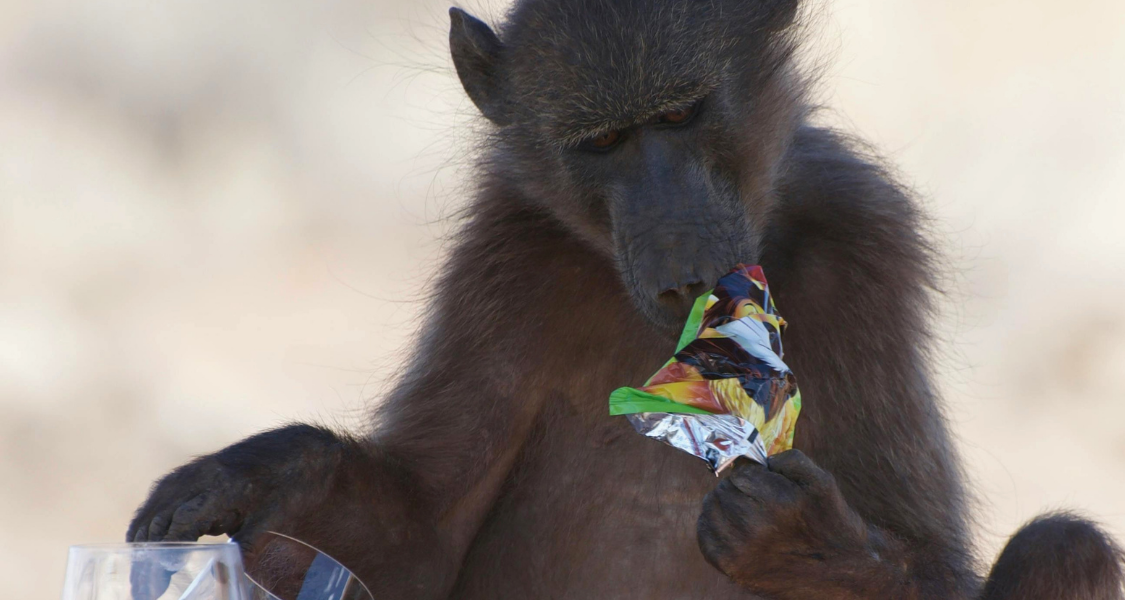
When most people think about dangerous animals in South Africa, they picture lions, leopards, crocodiles, and dramatic wildlife documentaries narrated by someone with a very serious voice.
Then they go camping and discover the real threat is a baboon carrying off an entire loaf of bread while making direct eye contact.
Camping and overlanding bring you closer to nature than almost any other kind of travel. That's part of the appeal. It's also why camping in South Africa safety isn't only about the animals that make the headlines. Sometimes the biggest campsite problems come from the wildlife that's learned campers travel with snacks.
So, in the interest of absolutely no scientific rigour whatsoever, we've ranked the animals most likely to turn your peaceful weekend into a story you'll be telling around braais for years.
Dangerous animals in South Africa: campsite criminal leaderboard
Before we get into the actual camping tips South Africa travellers need, it helps to identify the main suspects first.
Some of these animals are genuinely dangerous, while others are mainly professional opportunists, which is why good food storage, a tidy setup and basic campsite awareness matter so much.
Camping in South Africa safety starts with understanding wildlife
Camping in South Africa safety changes the moment you stop thinking like a visitor and start thinking like wildlife.
Food has a smell. Rubbish has a smell. Braai leftovers have a smell. Even that “sealed” packet of chips you forgot under the camp chair is probably not as invisible as you think it is.
Whether you’re staying at established camping places in South Africa or trying wild camping South Africa in more remote areas, most campsite wildlife problems start with the same things: loose food, open bins, messy packing and people assuming animals won’t notice.
They notice.
That’s why your camper setup matters. Lockable storage, tidy kitchen space and a simple clean-up routine can make your camp much less interesting to the animals passing through.
The trick is not to panic about every rustle in the bush. It’s to make your campsite look boring, secure and not worth the effort.
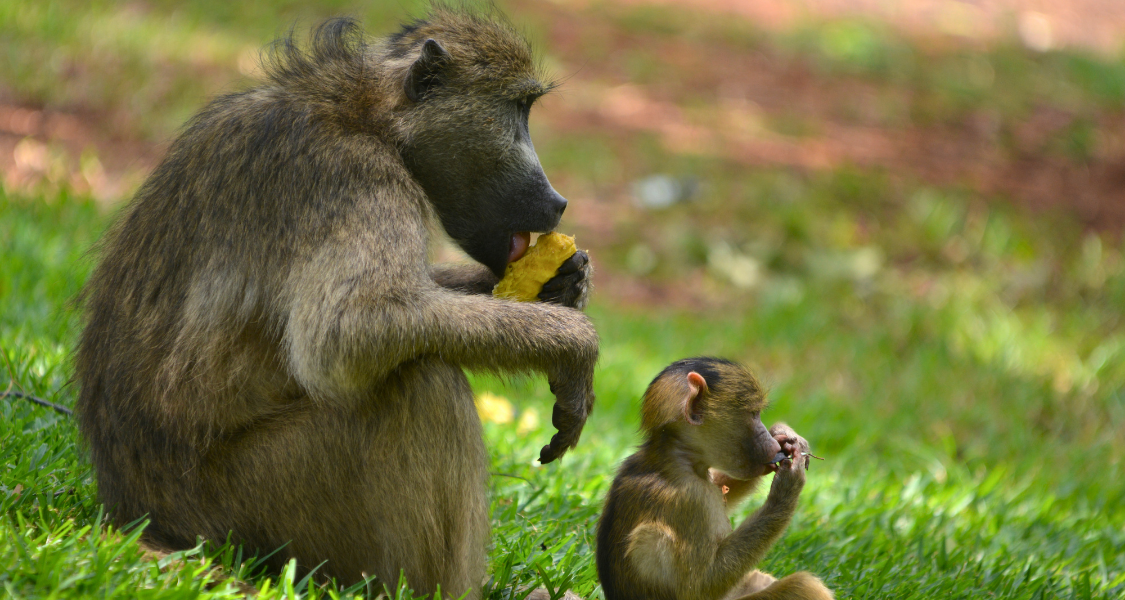
Baboons: the organised crime division of wild camping South Africa
Every experienced camper knows this one.
Baboons don't raid campsites because they're hungry. They raid campsites because they're opportunists with excellent planning skills.
Leave food unattended for thirty seconds and suddenly you've become part of someone else's lunch strategy.
SANParks regularly warns visitors not to leave food unattended because baboons and monkeys quickly learn where easy meals come from. Anyone who's spent time in Kruger knows they're not exaggerating.
A baboon doesn't care how expensive your camping setup is.
A baboon cares whether you left biltong on the table.
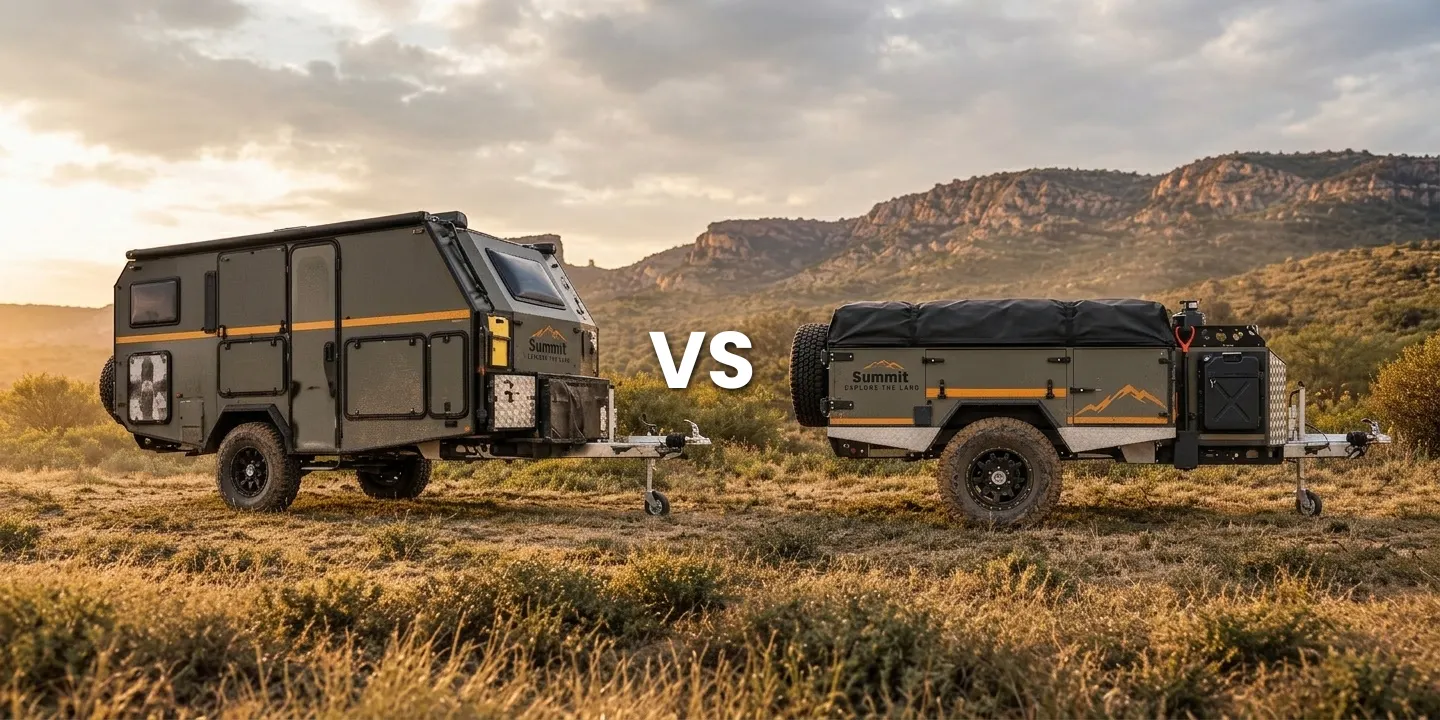
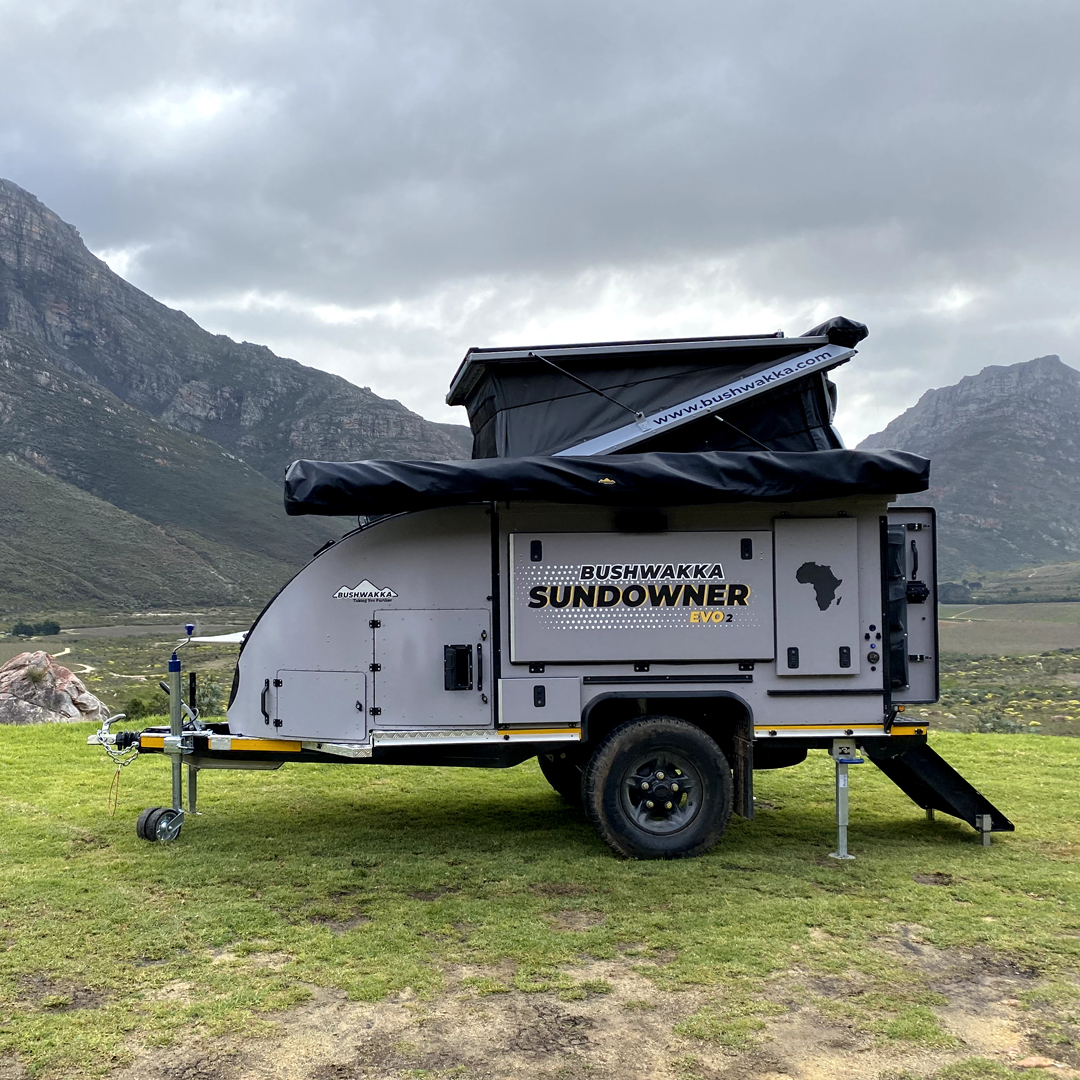
This is where your equipment starts to matter. Secure storage, lockable compartments and organised packing make a massive difference. One of the biggest advantages of a properly designed camper is that food doesn't end up living in shopping bags under a camp chair.
That's one reason many travellers discover that renting a ready-to-go 4x4 camper can be smarter than ownership, especially when you're still figuring out what works for your style of camping.
Criminal charges:
Cooler box theft
Intimidation
Bin raids
Organised snack crime
Possession of stolen rolls
If a baboon can access your food in under a minute, your campsite security needs a performance review.
Vervet monkeys: small, fast, and completely shameless
Vervet monkeys don't have the size or intimidation factor of baboons, but they make up for it with speed, confidence and years of practice.
One open vehicle window is often all they need. One unattended sandwich. One banana left on a table while someone goes to fetch coffee.
Many camping places in South Africa have resident monkey populations that seem to know campers almost as well as campers know themselves. They know when breakfast starts, they know what food looks like, and they know exactly who isn't paying attention.
Once food enters the conversation, boundaries tend to disappear.
Criminal charges:
Theft under R500
Theft over R500
Breakfast interference
Repeat offending
It's one of the reasons camping in South Africa safety often comes down to simple habits rather than complicated wildlife strategies. A few seconds of carelessness can turn breakfast into someone else's success story.
Bush pigs: the midnight raiders
Bush pigs don't get nearly as much attention as baboons or monkeys, mostly because they're far less likely to rob you in broad daylight.
They prefer the night shift.
These stocky, surprisingly powerful animals are found across many parts of South Africa and are known to investigate campsites, bins and anything that smells remotely edible. Most campers never see them, which is part of what makes them effective. You usually discover they've visited when you wake up and find evidence of a late-night inspection.
A tidy campsite is rarely interesting to a bush pig. A campsite with food scraps, overflowing rubbish or poorly stored supplies is a different story.
Criminal charges:
Night-time raiding
Bin tampering
Destruction of campsite dignity
Leaving a mess and refusing to explain
Bush pigs are a good reminder that not every campsite problem arrives during the day. Some of the best camping tips South Africa travellers can follow happen before bed, when a few minutes of cleaning up can prevent a lot of surprises the next morning.
Hippos: the dangerous animals in South Africa people underestimate
If this ranking were based purely on danger rather than campsite crime, hippos would be right near the top.
People often underestimate them because they spend much of the day resting in the water, looking far less intimidating than they really are. The problem starts after dark. Hippos become far more active at night as they leave the water to graze, which can create problems for campers staying near rivers, dams and other waterways.
This is especially important for wild camping South Africa trips, where campsites may be closer to natural wildlife routes and less controlled than established camps.
The rules are straightforward. Don't camp where hippos regularly move between water and grazing areas. Don't wander around riverbanks at night. Most importantly, don't assume a quiet stretch of water means nothing is nearby.
Hippos have ended enough camping stories badly to earn a healthy amount of respect.
Criminal charges:
Night patrols
Unauthorised river access
Extreme territorial behaviour
Unlike baboons and monkeys, hippos aren't interested in your food. They're interested in protecting their space, which is exactly why camping safety South Africa starts with understanding where wildlife naturally moves before you choose a campsite.
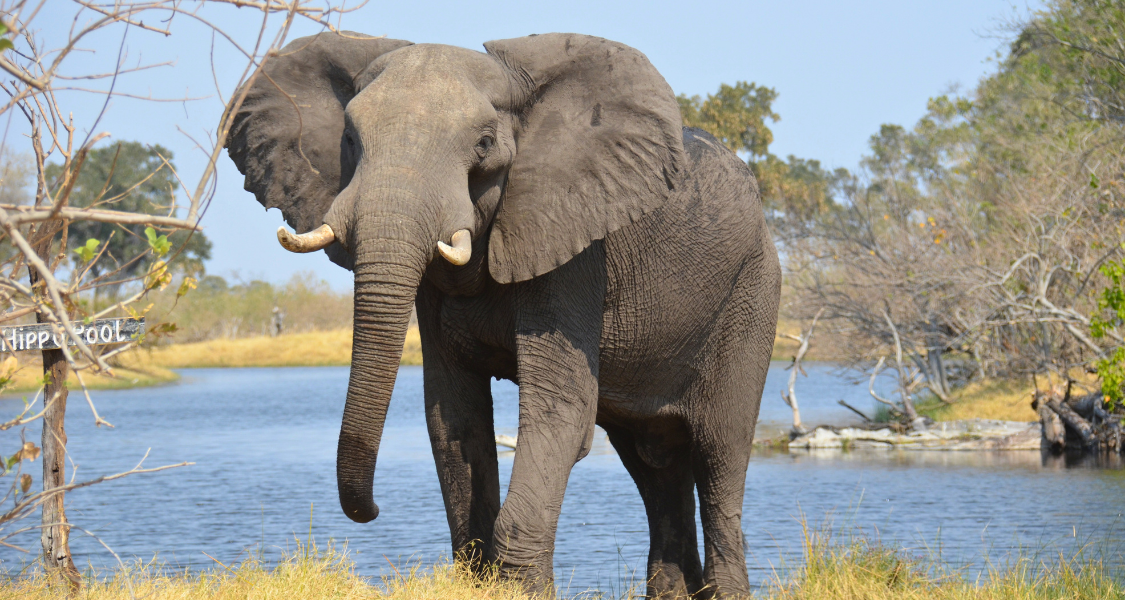
Elephants: when size becomes the problem
Elephants aren't interested in stealing your food or raiding your cooler box.
Their speciality is collateral damage.
A baboon might steal your lunch. An elephant can accidentally flatten the tree you're parked under, push through a campsite on its way to water, or turn a peaceful evening into a very tense lesson about personal space.
Most encounters are completely uneventful, but that's exactly what makes elephants interesting in the campsite criminal rankings. They don't cause problems because they're looking for trouble. They cause problems because they're enormous animals following routes they've used long before campsites, roads, and campers arrived.
Criminal charges:
Roadblock creation
Unscheduled campsite inspections
Property intimidation
Being impossible to ignore
A well-planned route won't stop you from seeing elephants, and that's a good thing. It simply helps ensure the encounter happens on their terms rather than in the middle of your campsite. If you're looking for inspiration, these South African 4x4 trails worth adding to your bucket list offer some incredible wildlife and camping experiences along the way.
Snakes: the silent campsite neighbour
Few things can empty a campsite conversation faster than someone calmly saying, “Uh... snake.”
South Africa has plenty of snake species, but the good news is that most of them want absolutely nothing to do with humans. The bad news is that snakes occasionally end up in exactly the same places humans like to leave shoes, bags, firewood and camping gear.
That's why camping in South Africa safety often comes down to simple habits rather than survival skills.
Use a torch when walking around camp at night. Shake out shoes before putting them on. Keep gear off the ground where possible. Leave snakes alone and give them space to move away.
This is also where your setup starts earning its keep. A well-designed 4x4 camper or caravan gives you fewer places for unwanted visitors to hide and a lot less gear scattered around camp. Compare that to a campsite where every bag, box and towel is spread across three square kilometres of grass and suddenly the snake has options.
The same principle applies whether you own your setup or use 4x4 hire for your trips. A tidy camper with proper storage is easier to manage, easier to secure and a lot easier to inspect before bed than a campsite that looks like a garage sale exploded.
Criminal charges:
Trespassing without notice
Occupying shoes without permission
Causing instant panic
Ruining late-night bathroom trips
Unlike baboons, snakes aren't looking for your food. They're usually looking for shelter, shade or somewhere quiet to sit. Unfortunately, that place occasionally turns out to be exactly where you were about to put your foot.
Lions: the celebrity criminals who rarely show up
Lions dominate every conversation about dangerous animals in South Africa.
Fair enough. They're lions.
The reality is that most campers are far more likely to lose a sandwich to a baboon than have any meaningful campsite drama involving a lion. In managed camps and established camping places in South Africa, lions usually stay exactly where everyone prefers them: on the other side of a fence.
A solid camper, caravan or 4x4 rental setup won't stop a lion if one decides to pay a visit, but it does make sleeping in lion country feel a lot more comfortable than lying in a thin tent wondering whether every distant sound is about to become your problem.
Criminal charges:
Intimidation without attendance
Excessive reputation
Causing unnecessary anxiety
Being blamed for crimes committed by baboons
For all their fame, lions have surprisingly low campsite crime statistics. Their biggest contribution is usually convincing first-time campers that every rustle in the bushes is the beginning of a natural true crime documentary.
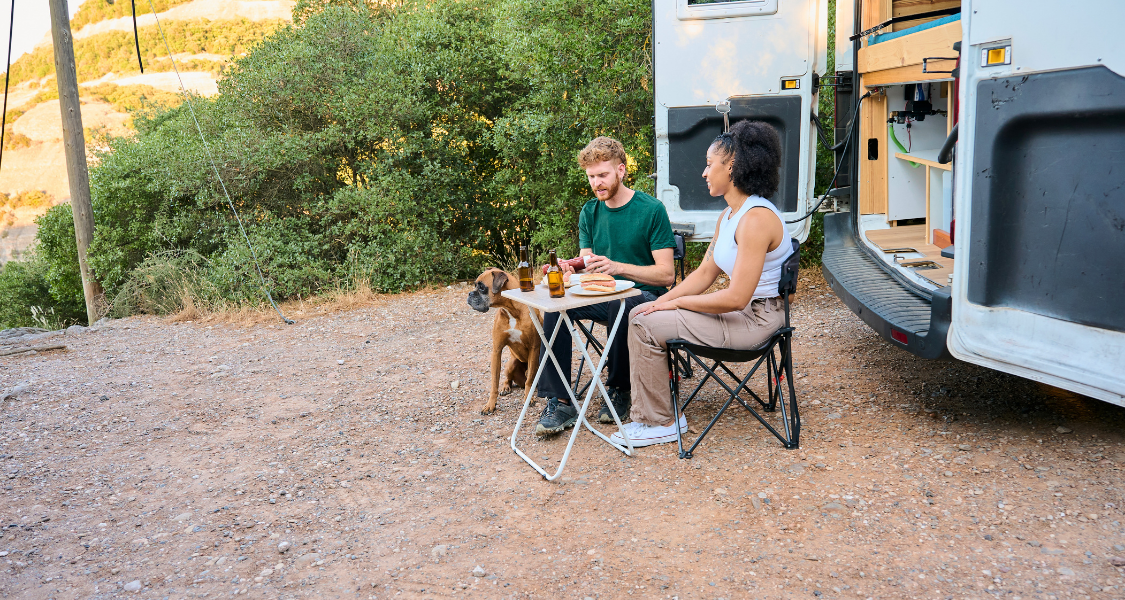
Camping safety South Africa: how to avoid joining the victim list
By now, you've probably noticed a pattern.
Very few campsite criminals are defeated by bravery.
They're defeated by making your campsite boring.
Baboons want easy food. Monkeys want easy opportunities. Bush pigs want easy smells. Snakes want easy hiding places. The less tempting your camp looks, the less likely it is to attract unwanted attention.
Before your next trip:
Store food properly
Never feed wildlife
Keep campsites clean
Close vehicle windows when leaving camp
Use a torch at night
Follow park rules
Give animals space
Learn basic wildlife behaviour
Think of it as making your campsite the least appealing target in the neighbourhood. You don't need military-grade security. You just need to make life slightly easier for yourself and slightly harder for the local troublemakers.
Many of these habits become second nature when your setup is organised from the start. This must-have 4x4 camping gear checklist covers the essentials that help keep your camp tidy, practical and a lot less interesting to passing wildlife.
Wild camping South Africa: your setup matters more than you think
Wild camping South Africa is one of the most rewarding ways to travel.
It also exposes weaknesses in your setup very quickly.
Food storage, sleeping arrangements, packing systems, and campsite organisation become far more important once you're away from facilities.
This is why the camper versus tent debate never really goes away.
Different setups work for different travellers, and understanding the pros and cons before spending money can save a lot of frustration later. If you're weighing up your options, this guide on whether camper hire beats buying in South Africa is worth a read.
The best camping sites in South Africa still require common sense
The best camping sites in South Africa can provide fantastic facilities, beautiful scenery, and excellent wildlife experiences.
None of them can prevent someone from leaving a packet of boerewors unattended.
That's where common sense comes in.
Many camping places in South Africa are located in areas where wildlife and humans regularly cross paths. Respecting wildlife, following campsite rules, and keeping a tidy camp will prevent most problems before they start.
Anyone hiring equipment should also take the time to understand campsite etiquette. This guide to being a better camper from day one is a useful starting point.
Final verdict: Who wins the campsite criminal crown?
After reviewing the evidence, interviewing absolutely nobody, and ignoring all accepted scientific methodology, the winner is clear.
First place: baboons.
Second place: vervet monkeys.
Third place: everything else trying to get into your food.
The serious takeaway is that dangerous animals in South Africa deserve respect, not fear. Most wildlife encounters become memorable for the right reasons when campers understand animal behaviour and follow basic camping safety South Africa principles.
The fun takeaway is that if a baboon ever steals your lunch, you're joining a very large club.
The other takeaway? Wildlife doesn't care how expensive your gear is. It cares whether your setup is organised, secure and built for the kind of camping you're doing.
If you're planning a trip into the bush, choosing the right camper can make life a whole lot easier. Secure storage, practical layouts and purpose-built camping systems help keep food protected, campsites tidy and wildlife encounters exactly where they belong.
Whether you're heading off on a weekend escape or a full wild camping South Africa adventure, explore our 4x4 campers built for real South African conditions and find a setup that's ready for everything from curious monkeys to the occasional baboon crime syndicate.