
A serious 4×4 checklist isn’t something you skim through five minutes before departure. It’s a working system. It reflects how you drive, where you’re going, and how self-sufficient you need to be.
South African terrain demands respect. Deep Kalahari sand drains momentum. Drakensberg rock shelves test sidewalls and suspension articulation. Long gravel stretches punish wheel bearings and loosen poorly secured components. A proper trail-ready 4×4 checklist doesn’t just protect your vehicle. It protects your time, your budget, and the people travelling with you.
This expanded 4×4 gear checklist covers the must-have 4×4 gear and 4WD equipment essentials that experienced drivers rely on when they’re beyond quick roadside assistance.
Preparation isn’t about overpacking. It’s about reducing variables.
Vehicle prep tools
Prevention always costs less than recovery. That’s why every off-road gear checklist starts here.
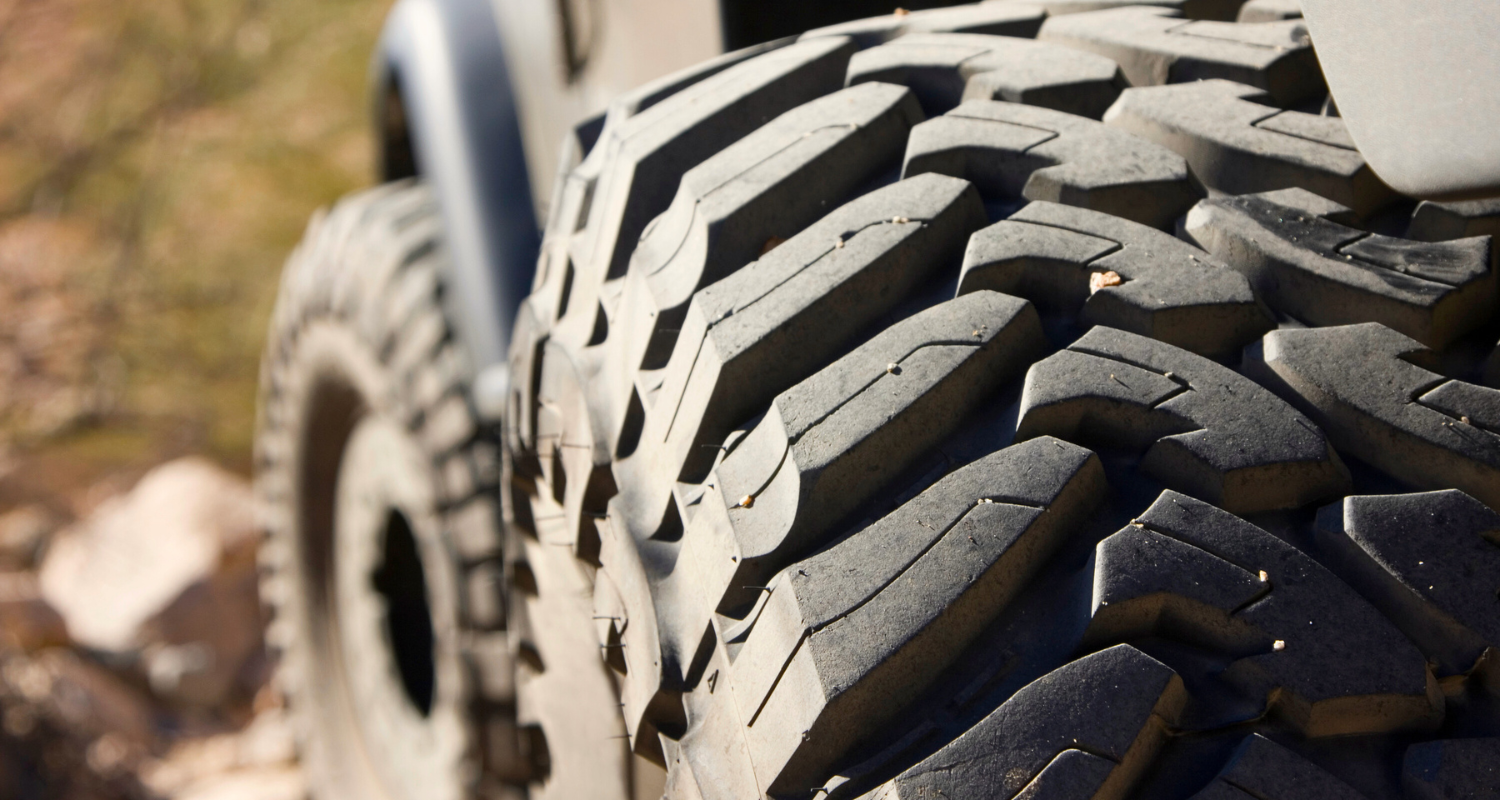
Spare tyre
A spare tyre isn’t a box-ticking exercise. It needs to be:
The same size and load rating as your other tyres
Properly inflated to usable pressure
Inspected for cracks, dry rot, or sidewall damage
If you’ve upgraded to larger tyres but left the factory spare untouched, that mismatch can cause drivetrain stress when used. On long-distance trips, some drivers carry two spares, especially in areas with sharp shale or thorn-heavy terrain.
Before any trip, physically remove the spare from its mounting position. Make sure you can actually access it easily. Rusted mechanisms and seized bolts are common surprises.
Tyre repair kit
A tyre plug kit earns its place on any serious 4×4 checklist because most punctures aren’t catastrophic. They’re small penetrations caused by nails, screws, thorns, or sharp stones.
A quality kit should include:
Heavy-duty insertion tool with solid handle
Multiple repair plugs
Vulcanising cement
Valve core remover
Spare valve cores
Learn how to use it properly before you need it. A rushed first attempt on the side of a trail isn’t ideal. Plugging a tyre correctly can save hours and prevent unnecessary spare usage.
Air compressor
Tyre pressure management is one of the most underrated 4WD equipment essentials. Lowering pressures increases traction by enlarging the contact patch. It also softens the ride over corrugations and reduces shock load on suspension components.
Your compressor should:
Connect directly to the battery for stability
Have a reliable duty cycle for inflating multiple tyres
Include an accurate pressure gauge.
Running incorrect pressures on tar after a trail can overheat tyres and cause premature wear. The Automobile Association of South Africa regularly emphasises tyre condition as a major contributor to roadside breakdowns and safety incidents.
Comprehensive tool kit
Your basic toolkit should evolve as your vehicle evolves. At minimum, include:
Metric socket and spanner set
Screwdrivers in multiple sizes
Pliers and side cutters
Adjustable wrench
Electrical tape
Cable ties
Spare nuts and bolts
Modern 4×4s include additional electrical systems, lighting, and accessories. Loose wiring and shaken fittings are common on rough terrain. A well-prepared off-road gear checklist anticipates vibration-related issues.
Recovery gear
Even the best driver gets stuck. Recovery gear isn’t optional on a proper 4×4 gear checklist.
Recovery straps
A kinetic recovery strap stretches under load, storing energy before transferring it to help extract a stuck vehicle smoothly. It reduces shock loads compared to static tow straps.
Your setup should include:
Rated kinetic strap matched to vehicle weight
Rated shackles or soft shackles
Clearly marked load capacities
No fraying or UV damage
Never use a tow ball or tie-down point as a recovery point. They’re not made from high-tensile material and have been known to fail under stress, potentially becoming dangerous projectiles if they shear off. Proper, rated recovery points are designed to handle these loads safely. (NZSUV)
Winch system
A winch adds independence. When travelling solo or in small groups, it becomes one of your most valuable 4WD equipment essentials.
A complete winch setup includes:
Electric winch properly rated for your vehicle weight
Tree trunk protector
Snatch block to increase pulling power
Recovery gloves
Dampener blanket
Winching isn’t about brute force. It’s controlled extraction. Incorrect winch use damages equipment and can cause serious injury. Many South African overlanders improve their technique through structured recovery training, often promoted through outlets like Drive Out.
Traction boards
Traction boards are simple but incredibly effective. They:
Provide instant grip in sand or mud
Reduce aggressive throttle input
Protect drivetrain components
Instead of spinning tyres and digging deeper, traction boards allow steady, controlled exits. They’re lightweight and reusable, which makes them a permanent feature on most experienced drivers’ 4×4 checklist.
Safety gear
A trail-ready 4×4 checklist always prioritises safety before comfort.
First aid kit
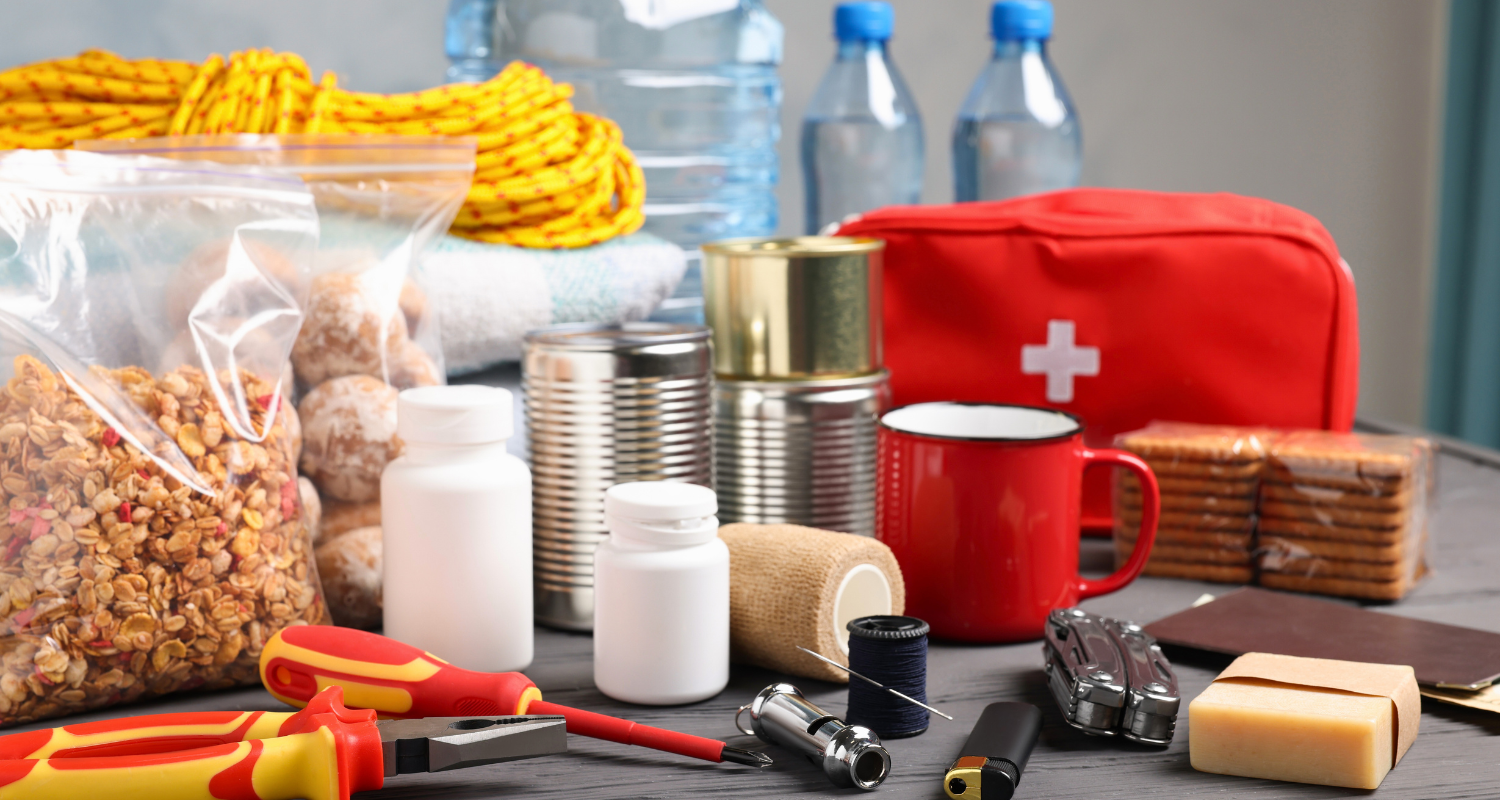
Your first aid kit should handle more than small cuts. In remote areas, response times increase dramatically.
A properly stocked kit includes:
Compression bandages
Sterile wound dressings
Antiseptic solution
Burn gel
Pain relief medication
Emergency blanket
The South African Red Cross offers useful guidance on basic first aid preparedness. Gear only works if someone knows how to use it. At least one person in your group should have updated first aid training.
Fire extinguisher
Vehicle fires escalate quickly, particularly with fuel leaks or electrical faults. Your extinguisher should be:
Mounted securely but easily accessible
Within expiry date
Rated for automotive use
Regularly inspect pressure gauges. A discharged extinguisher is useless when needed.
Emergency lighting and visibility
Night recoveries and roadside stops require visibility.
Carry:
Rechargeable LED floodlight
Headlamp for hands-free work
Reflective warning triangle
High-visibility vest
Poor lighting increases injury risk during night repairs. Good visibility reduces secondary accident risk.
Navigation and communication
Losing direction wastes fuel and time. In extreme cases, it becomes dangerous.
GPS and mapping
A reliable GPS or offline mapping system belongs on every off-road gear checklist. Mobile signal coverage disappears quickly outside urban zones.
Use:
Offline maps
Preloaded waypoints
Topographical mapping
The importance of route planning is reinforced by official guidance from SANParks, particularly for remote reserves where self-sufficiency is expected.
UHF or two-way radio
Once you’ve driven in a convoy without radios, you won’t want to do it again.
Hand signals and brake lights only go so far. On tight passes, blind rises, or soft sand sections, real-time communication makes a noticeable difference. A simple UHF or two-way radio earns its place on any serious off-road gear checklist because it keeps everyone on the same page without guessing.
In practical terms, it allows you to:
Call out obstacles before the next vehicle hits them
Guide someone through a tricky line or recovery
Adjust spacing safely on narrow or dusty trails
That kind of coordination turns chaos into control. It also reduces unnecessary revving, sudden stops, and miscommunication that can damage vehicles or fray tempers.
On technical terrain, clear voice communication is one of those 4WD equipment essentials you only truly appreciate once you’ve needed it.
Camping and comfort
Fatigue leads to poor decisions. Comfort supports focus.
Tent or camper setup
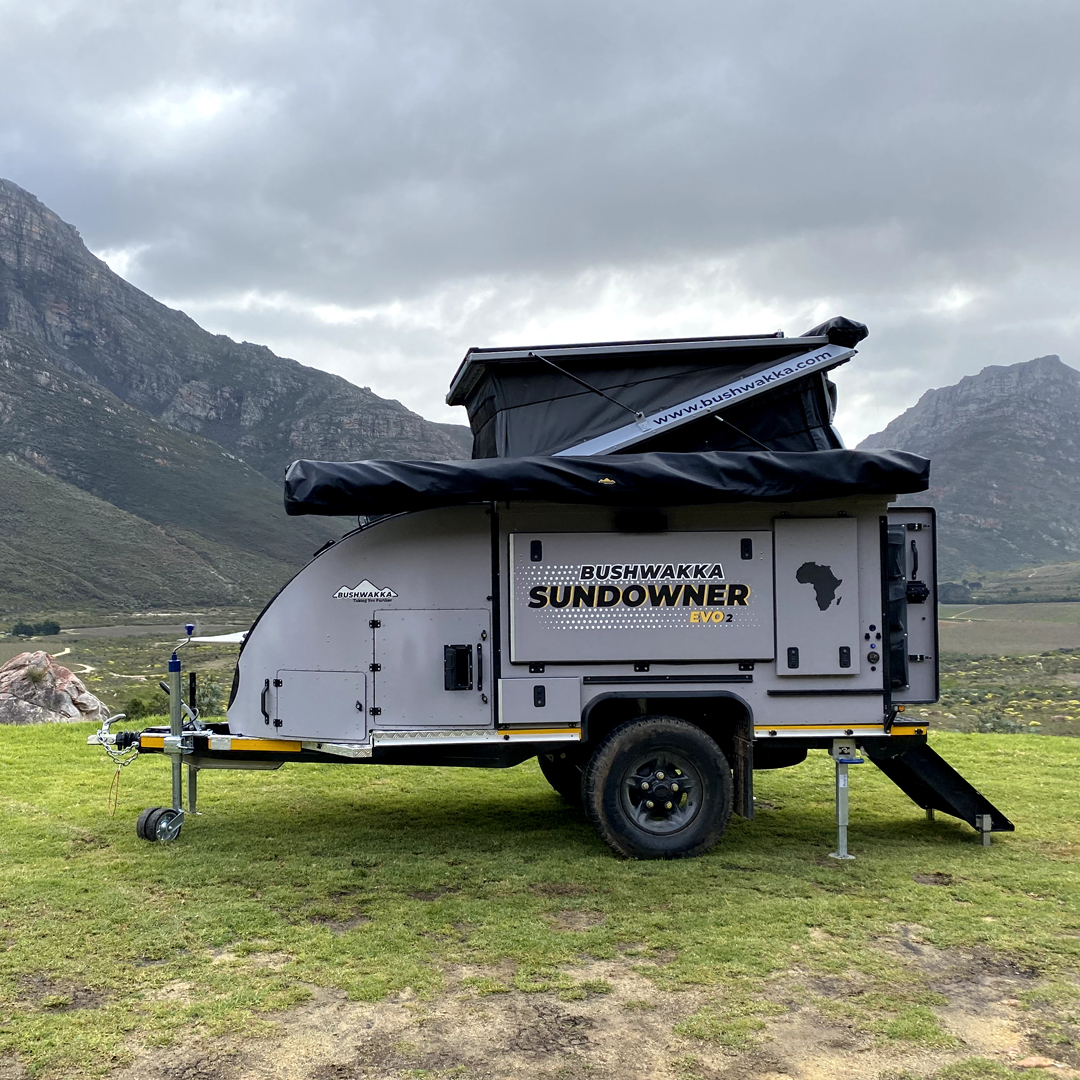
Whether using a rooftop tent or a full overlanding camper, secure mounting is critical. Inspect mounting brackets and fasteners regularly.
If you’re weighing long-term ownership against flexible alternatives, this guide on 4×4 camper rental in South Africa explores practical considerations.
Water storage
Water planning deserves more attention than most give it. Carry:
Dedicated water tank or jerrycans
Backup purification tablets or filter
Separate drinking and washing supply
In hot conditions, water consumption rises quickly. Running short isn’t a minor inconvenience.
Cooking setup
Your cooking gear should be stable, compact, and safely stored.
Include:
Gas cooker with secure bottle
Windscreen for flame control
Basic utensils
Fire-safe lighter
It’s just as important to secure the gas lines properly. Leaks inside enclosed canopy areas are dangerous and sometimes even life threatening.

Fluids and maintenance supplies
Mechanical reliability depends on fluid condition.
Engine oil
Carry at least one litre of the exact oil grade your engine requires. Extended low-range driving increases heat and stress.
Coolant
Overheating destroys engines quickly. Always carry premixed coolant compatible with your system.
Overheating is a preventable mechanical failure that often leaves vehicles stranded, and guides like this one from MotorHappy explain the typical causes so you can stay ahead of them.
Also consider:
Spare fuses
Spare serpentine belt
Brake fluid
Power steering fluid
These additions strengthen your 4×4 checklist without taking much space.
Packing and organisation tips
A clean packing system is part of a proper 4×4 checklist. Throwing things randomly renders even the best gear useless when you need it most.
Think in zones. Recovery gear together. Tools together. Medical supplies in one clearly marked spot. That way, you’re not unpacking half the vehicle just to find a shackle.
Build your setup around:
A dedicated recovery bag that keeps straps and shackles contained and dry
Clearly labelled storage bins so anyone in the group can find what’s needed
Drawer systems for heavy tools and spares that would otherwise roll around
Tie-down straps to secure loose items and prevent load shift on rough terrain
Weight distribution isn’t just a comfort issue. It directly affects stability. Heavy items should sit as low as possible and close to the centre of the vehicle. That keeps the handling predictable on side slopes and steep climbs.
Roof racks are useful, but they aren’t bottomless storage. Overloading them raises the center of gravity and increases the body roll, especially on uneven ground. A well-organised 4×4 gear checklist doesn’t just consider what you pack. It considers where and how you pack it.
Before departure, confirm:
Wheel nut torque
Suspension component integrity
Battery health
All exterior lights functioning
A trail-ready 4×4 checklist includes both equipment and inspection discipline.
Before you lock the doors and roll out
A proper 4×4 checklist isn’t about stuffing every spare corner with gear you’ll never touch. It’s about knowing exactly what earns its place in your vehicle and why. When every item has a purpose, your setup feels lighter, cleaner, and far more reliable.
The must-have 4×4 gear on this list comes from experience, not theory. A well-built 4×4 gear checklist lowers the chances of preventable recoveries, protects expensive components, and keeps small problems from turning into trip-ending ones. That’s what a trail-ready 4×4 checklist is really about. You can feel confident that your vehicle is capable of handling the challenges that lie ahead.
If you’re refining your build or upgrading essential 4WD equipment, spend some time exploring what we’re building at 4x4Things. From practical setups to fully thought-out solutions in our campers collection, everything is designed around real-world use, not showroom shine.
Want help shaping your own 4×4 checklist around the way you actually travel? Reach out through our contact page. We’ll help you dial it in before your next trip.
Solid prep doesn’t make the trail easier.
It makes you ready for it.