There’s a very specific feeling that hits somewhere between Beaufort West and the next tiny fuel stop.
You pull in dusty and tired and are already thinking about coffee. Then the pump starts climbing. Fast.
Another fuel price hike South Africa experienced this year has also pushed more travellers to rethink how they build and pack their vehicles for long-distance trips.
A few years ago, a long overlanding trip felt expensive in a manageable way. In 2026, many South Africans are feeling the pressure of every extra litre, with inland petrol prices climbing above R26/litre during recent increases.
That changes the maths of a long-distance camping trip very quickly.
For many travellers, the latest fuel price hike South African motorists are dealing with has made lighter touring setups feel far more practical than they did a few years ago.
People aren’t losing interest in adventure. They’re becoming more aware of what certain setups cost to move across the country, especially on long gravel routes, towing trips, and coastal holidays during peak season.
What R5/km really looks like on a long trip
The R5/km figure isn't a magic number. It's simply what happens when fuel prices and fuel consumption meet in the wrong place.
At an inland petrol price of R26.63/litre, a vehicle consuming 20 litres per 100km costs about R5.33 in fuel for every kilometre travelled:
20L ÷ 100km = 0.2L per kilometre
0.2L × R26.63 = R5.33 per kilometre
That level of consumption isn't unusual for some heavily loaded touring vehicles, especially when towing, carrying rooftop gear, running larger tyres, or driving long distances at highway speeds.
What pushes a setup closer to R5/km?
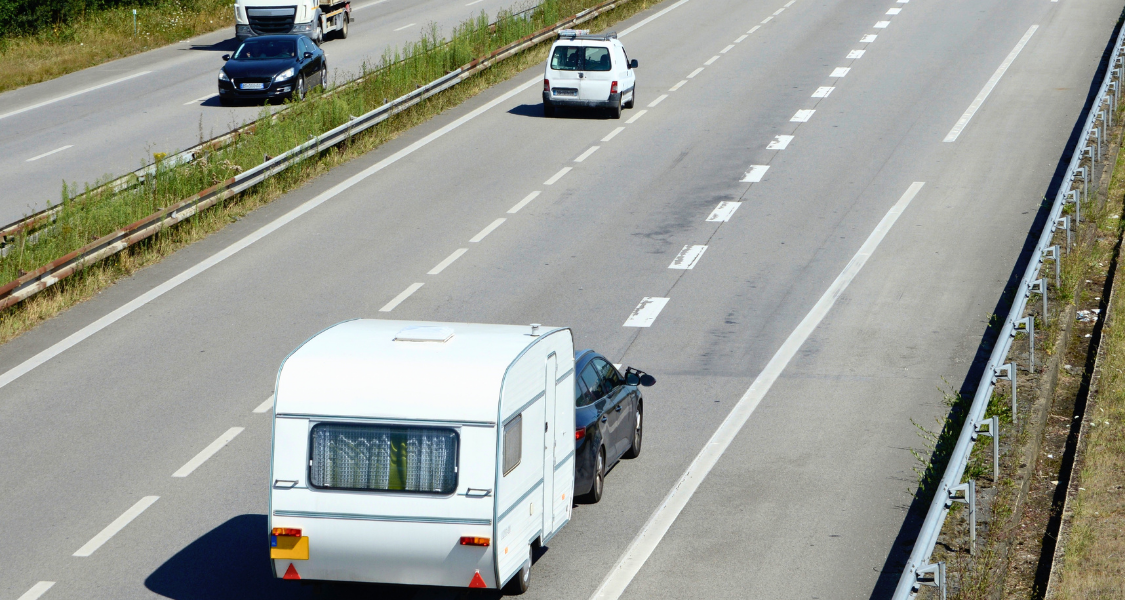
Towing a caravan or heavy trailer
Large mud-terrain tyres
Rooftop tents and roof racks
Extra fuel and water storage
Steel bumpers, drawer systems, and accessories
Higher cruising speeds on long tar sections
Strong headwinds and poor aerodynamics
None of these factors automatically make a setup bad. The point is simply that every kilogram and every square metre pushing through the wind has a cost attached to it.
At today's fuel prices, the difference between a lighter touring setup and a heavily loaded towing rig can add up surprisingly quickly over the course of a holiday.
Why heavy rigs suddenly feel more expensive in 2026
A big touring build still looks incredible. Nobody’s arguing with that.
The problem is that modern overlanding setups often carry far more weight than people realise. Steel bumpers, drawer systems, rooftop tents, larger tyres, recovery gear, extra fuel, water tanks, fridges, batteries, awnings, and camping equipment all add up quickly.
Then towing enters the picture.
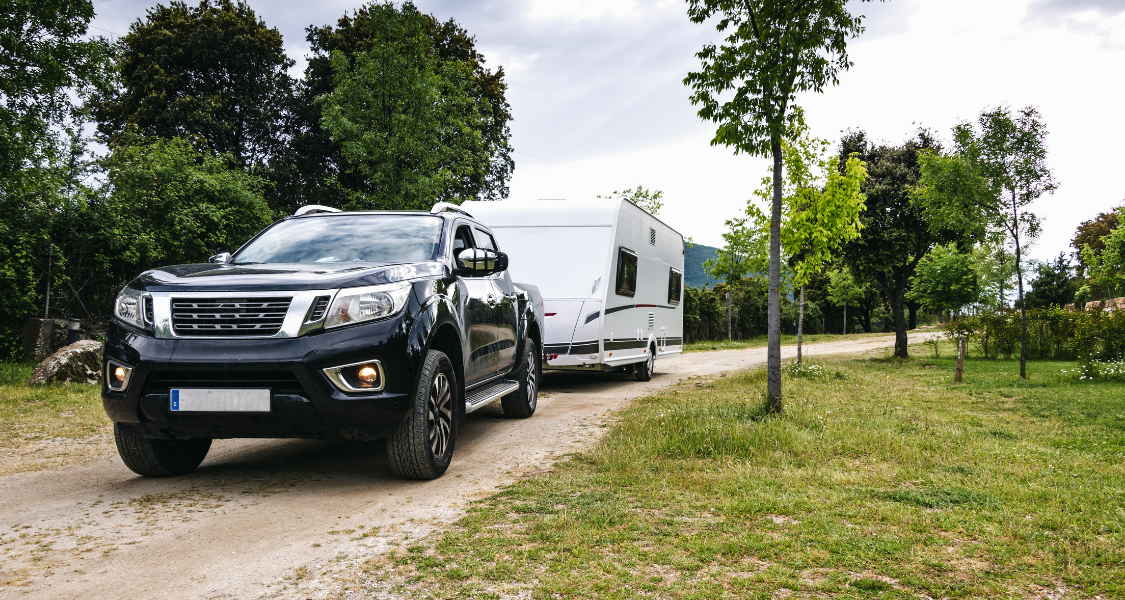
Even well-built caravans and off-road trailers create additional rolling resistance and aerodynamic drag, especially at highway speeds. That’s where many drivers start noticing the difference between a lighter touring setup and a heavily loaded rig.
This is also why conversations around fuel-efficient 4x4 South Africa options have become far more common recently. Buyers still want capability, but many now care more about weight, towing efficiency, and day-to-day running costs than they did five years ago.
The old petrol vs diesel 4x4 debate is also changing slightly.
Diesel still makes sense for many towing applications because of low-end torque and long-range touring efficiency. Petrol 4x4s, however, are becoming more attractive for some drivers because modern petrol engines can feel smoother for shorter trips and lighter builds.
There’s no universal winner in the petrol vs. diesel 4x4 conversation. Terrain, load, tyre choice, gearing, speed, and driving style all matter.
The petrol vs diesel 4x4 decision also depends heavily on how often the vehicle tows, travels long distances, or spends time in stop-start city traffic.
More buyers searching for fuel-efficient 4x4 South Africa options are now prioritising lighter accessories, smaller trailers, and cleaner aerodynamics over oversized builds.
The small things quietly draining your fuel budget
A lot of overlanders focus on engine size first.
In reality, small daily decisions often affect fuel usage more than people expect.
For many people, the latest fuel price hike South Africa is dealing with feels less about one sudden increase and more about the cumulative cost of running a heavy touring setup over long distances.
None of these changes magically offset rising fuel costs completely. Together, though, they can make a noticeable difference across a long-distance trip, especially after the latest fuel price hike South Africa motorists have had to absorb.
The hidden fuel killer most people ignore: aerodynamics
Weight matters and so does aerodynamics.
A rooftop tent might not seem particularly heavy on paper, but once you add a high-profile roof rack, camping gear, recovery boards, and accessories sitting in the wind all day, highway fuel consumption can climb noticeably.
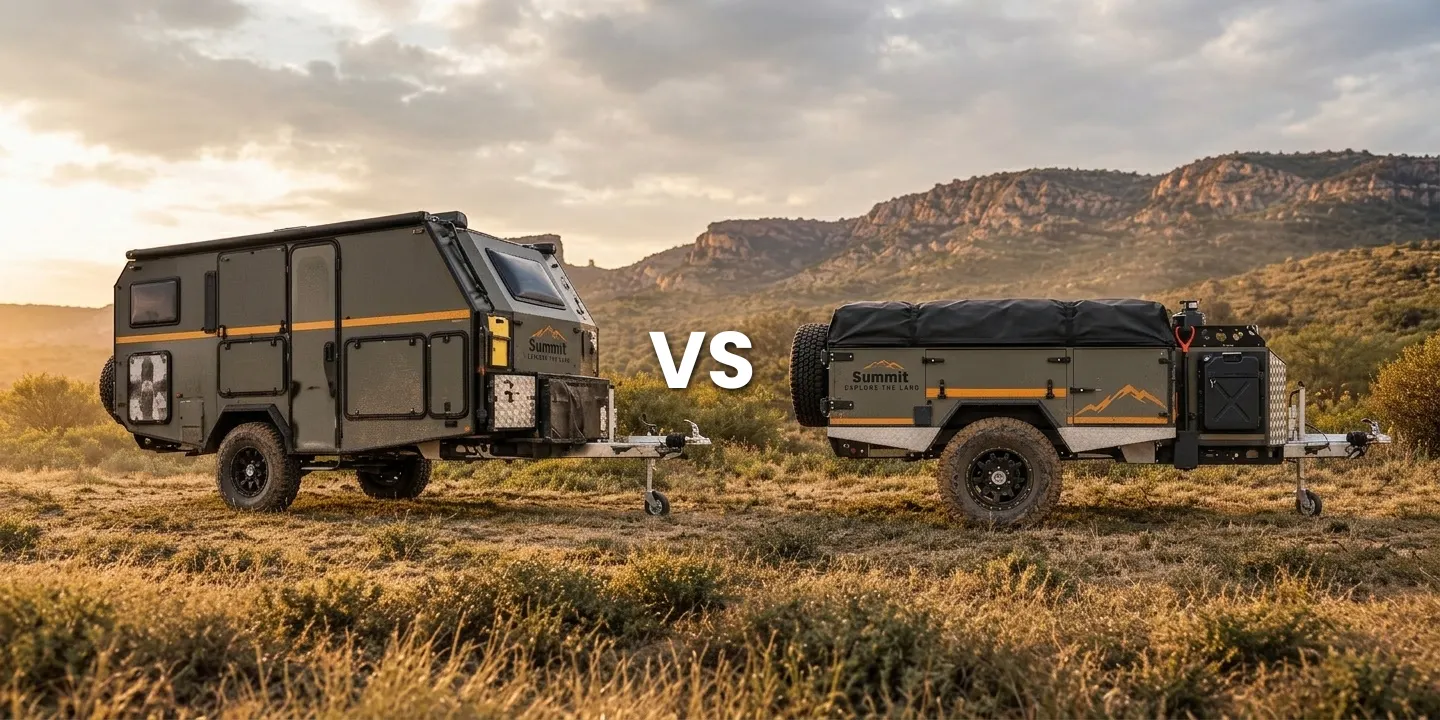
The same applies to square trailers and tall caravans.
At lower speeds on technical trails, drag matters less. On long tar sections between provinces, wind resistance becomes a major part of fuel usage.
That’s part of why streamlined campers and compact trailers are becoming more popular globally. It’s also one reason more travellers are reconsidering whether camper hire makes more sense than ownership in South Africa before investing heavily in large permanent setups.
Many travellers searching for the most fuel efficient 4x4 in South Africa are now paying closer attention to drag, roof weight, and towing shape instead of focusing only on engine size.
Drivers comparing the most fuel efficient 4x4 in South Africa are also paying more attention to:
Roof height
Tyre size
Suspension lifts
Towing shape
Accessory weight
A lighter, cleaner setup usually feels more relaxed to drive too.
Less wandering in crosswinds
Less strain during overtaking
Less stress at fuel stops
For many travellers, improving aerodynamics is one of the simplest ways to make long-distance touring feel less demanding without completely changing their setup.
Why lighter campers and off-road caravan hire South Africa options are growing
South African camping culture isn’t shrinking.
It’s evolving.
Compact campers, modular setups, and smaller touring trailers are becoming more attractive because they give people flexibility without permanently turning the vehicle into a heavy expedition build.
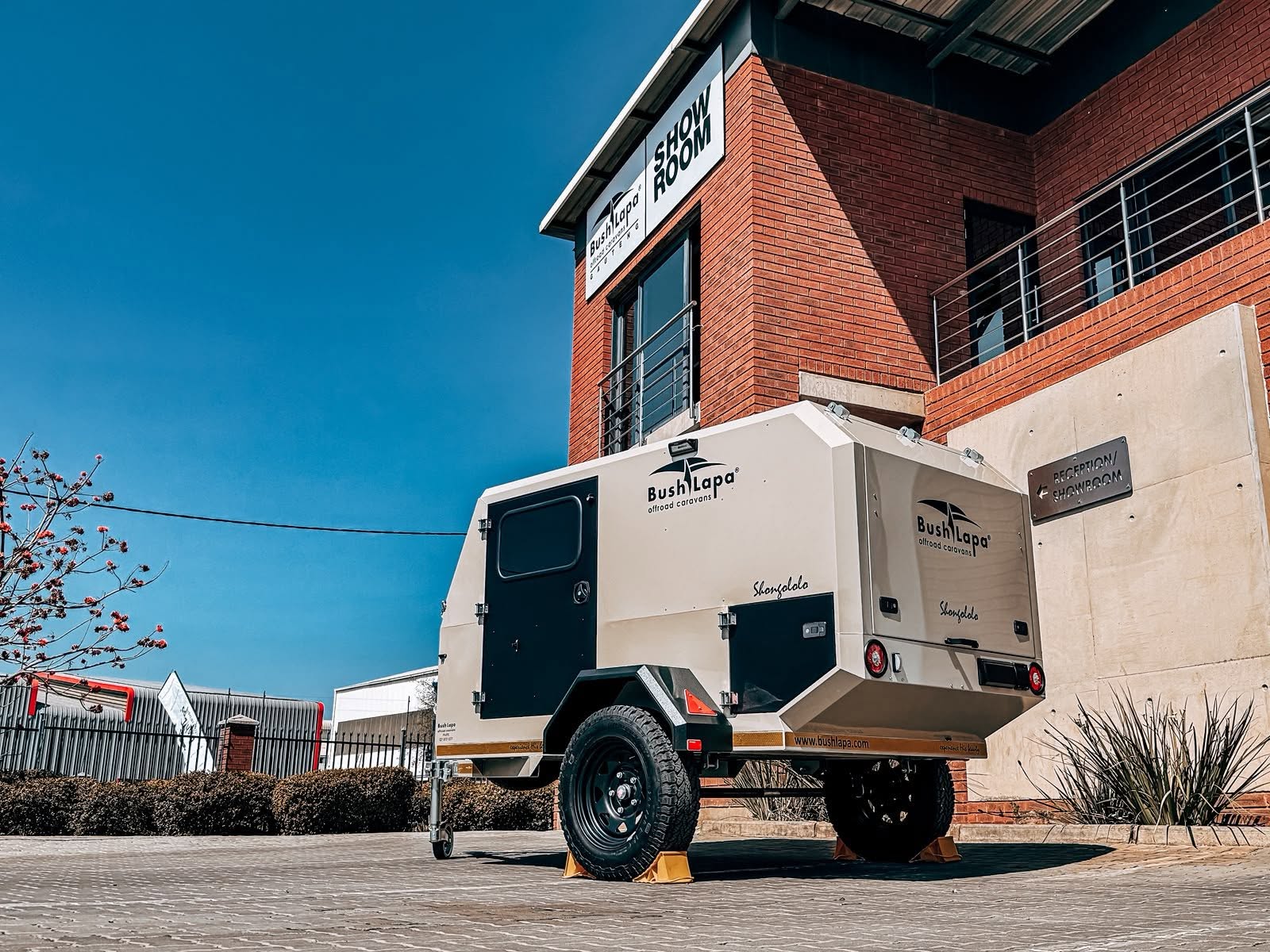
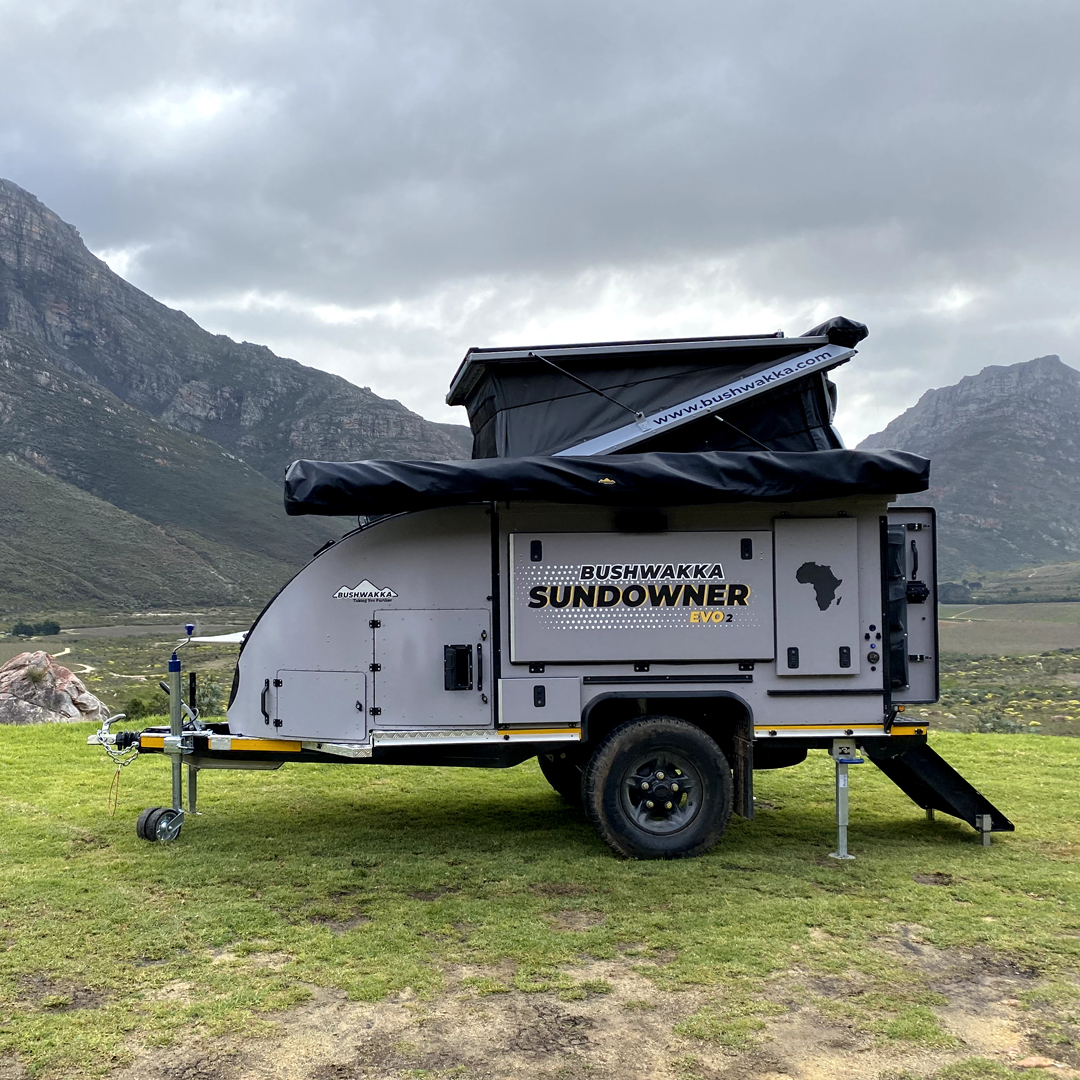
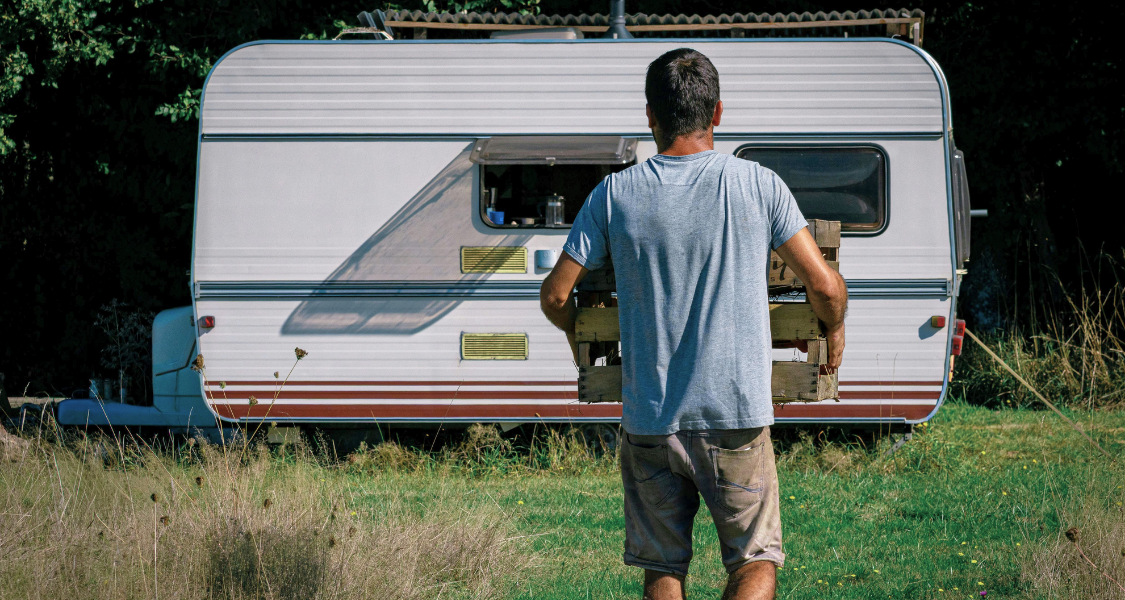
That’s where teardrop campers, compact off-road trailers, and lightweight caravans have started finding a bigger audience locally.
A lot of travellers still want comfort. They just don’t necessarily want to drag a massive setup across the country every weekend.
That’s also why interest in off-road caravan hire South Africa options has grown. Renting a lighter trailer for specific trips often makes more sense than permanently owning a large caravan that spends most of the year parked.
The same applies to 4x4 camper trailer hire, especially for travellers who only do a few major adventures each year.
Many travellers are now prioritising the following:
Lighter towing setups
Smaller campers
Better highway comfort
Lower fuel usage
Flexible trip planning
That flexibility matters far more in 2026 than it used to.
For many travellers, renting also removes the pressure of committing to one permanent setup for every type of trip.
Adventure is getting smarter, not smaller
South Africans aren’t giving up on camping or overlanding. People are simply becoming more intentional about how they travel.
Smaller campers, lighter trailers, and simpler touring setups are starting to make far more sense for many South Africans planning long-distance trips in 2026.
The growth in off-road caravan hire South Africa options also shows how quickly travel priorities are shifting. More travellers want flexibility, lower running costs, and setups that match the type of trip they’re planning.
That’s why interest in 4x4 camper trailer hire continues to grow as travellers look for practical ways to explore without committing to oversized permanent builds.
If you’re planning your next adventure, browse these South African 4x4 trails worth exploring or explore the latest campers and touring setups available through 4x4 Things.