A camping trip can survive bad weather.
It can survive forgotten marshmallows, leaking tents, and somebody snoring like a diesel generator.
What it usually doesn’t survive is bad power management.
That’s when the mood changes. The fridge is getting warm. The camp lights are fading. Phones are flat. The coffee machine is dead. Then somebody turns the key and discovers the battery setup hasn’t kept enough power in reserve to start the vehicle.
Every South African already understands backup power because of load-shedding. A 4x4 dual battery system works on the same basic idea. One battery stays focused on starting the vehicle, while the second battery handles the camping side of things like fridges, lights, charging ports, and other gear.
You don’t need to become an auto electrician to understand it. You just need to know enough to avoid ruining a good trip.
Why dead batteries ruin camping trips faster than bad weather
Most camping power disasters don’t happen dramatically.
It’s usually one small thing after another.
The fridge runs overnight while the camp lights stay on a little longer than planned. Two phones get plugged in, someone inflates the mattresses, and a fan hums through a hot Lowveld night. Without a proper dual battery setup, the battery meant to start the vehicle can end up spending the whole night powering camp gear instead.
That’s why a proper dual battery system matters.
Without one, your starter battery is doing two jobs:
Starting the vehicle
Running your campsite
That’s a terrible deal for the battery.
Modern camping setups use more power than people realise. A fridge alone can draw steady power for hours, especially during hot South African summers. Add charging ports, lights, pumps, cameras, and inverters, and things add up quickly.
Nobody wants to explain to the rest of the group why the Hilux won’t start in the middle of Kgalagadi because the fridge was set cold enough to preserve organs.
What is a 4x4 dual battery system?
A 4x4 dual battery system is basically a backup generator setup for your vehicle.
One battery handles vehicle duties. The second battery handles camping duties.
The first battery is called the starter battery. Its job is to start the engine and power the vehicle’s normal electrical systems.
The second battery is usually called the auxiliary battery. That’s the one powering your fridge, camp lights, charging ports, fans, and other gear while you’re parked.
The clever part is the separation between them.
A proper dual battery setup isolates the starter battery from the camping battery when the engine is off. That means your camping gear can flatten the auxiliary battery without leaving you stranded.
When the engine is running again, the charging system recharges both batteries.
That’s why people love a good 4x4 dual battery system once they’ve camped with one. The stress levels drop immediately.
You stop obsessively checking battery percentages every 20 minutes and start enjoying the trip.
What drains your battery while camping?
Most people blame the fridge first.
To be fair, the fridge usually deserves some blame.
A camping fridge is often the biggest power user in a camper setup, especially during long bush trips or Kruger summers where daytime temperatures stay brutal. That’s why many campers now combine a 4x4 dual battery system with some form of solar power for 4x4 fridge support.
The fridge isn’t the only problem though.
Power drain usually comes from lots of small things working together:
Camp lighting
Charging phones and cameras
Air compressors
Portable fans
Inverters
GPS units
Bluetooth speakers
Laptops and drone batteries
Modern campers basically carry a small office into the bush.
That’s why reliable 4x4 power solutions have become such a major part of overlanding and camper rentals in South Africa.
Longer off-grid trips also change the equation. A quick weekend near Gauteng isn’t the same as several nights in remote areas where driving time between camps is limited.
That’s where solar power for 4x4 fridge setups become useful. Solar panels help top up the auxiliary battery during the day instead of relying only on driving to recharge the system.
You’ll see this more often on serious touring rigs and well-equipped rental campers listed on 4x4 Things.
The “magic box”: what a DC to DC charger does
This is the part that sounds technical but really isn’t.
A DC to DC charger is basically a smart manager for your auxiliary battery.
Modern vehicles don’t always charge auxiliary batteries properly on their own. Many newer vehicles use variable voltage alternators, which can make older charging methods less effective. That’s why searches for dc to dc charger south africa keep growing as newer 4x4s become more common.
A good dc to dc charger south africa setup helps regulate and optimise charging while you drive.
It does a few important things:
Charges the auxiliary battery properly
Protects the starter battery
Handles different battery types correctly
Helps compensate for voltage drop
Works better with modern alternators
The important thing for beginners is this:
The charger helps make sure your camping battery gets charged efficiently without sacrificing your ability to start the vehicle later.
Some systems also include solar inputs, which helps combine driving charge with solar power for 4x4 fridge support during longer stays.
You don’t need to memorise wiring diagrams to benefit from it. You just need to understand why it exists.
Lithium vs deep cycle battery: what campers are arguing about in 2026
The lithium vs deep cycle battery debate is basically the Toyota versus Ford argument of camping power. Everybody has an opinion, and nobody’s changing sides quietly.
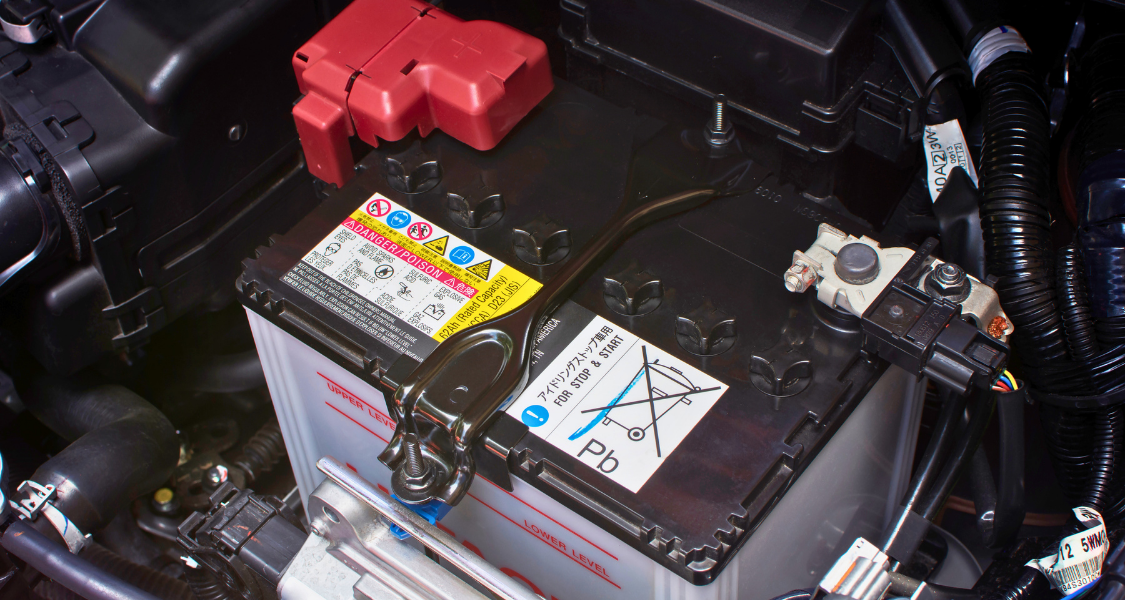
Lithium batteries have become incredibly popular in modern 4x4 power solutions because they’re lighter, recharge faster, and can handle deeper discharge without taking as much strain. They’re also more efficient, which matters when you’re running fridges, lights, charging ports, and other camping gear for days at a time. According to Battery University, lithium batteries also tend to deliver longer cycle life when managed properly, which helps explain why so many serious overlanders have moved across to lithium setups.
That’s the good news.
The painful part is the price tag.
A lithium-based dual battery setup usually costs more upfront, especially once you add compatible charging hardware and a proper dc to dc charger south africa setup.
Deep cycle batteries are still everywhere for a reason. They’re cheaper, familiar, and perfectly capable for plenty of camping trips. A lot of weekend campers still run AGM or traditional deep cycle batteries very successfully without feeling like they’re missing out.
That’s why the lithium vs deep cycle battery conversation usually comes down to how you camp rather than which battery is “best”.
Weekend bush trips close to home? A traditional dual battery system may be completely fine.
Long off-grid routes through Namibia, Botswana, or remote South African trails? That’s where many travellers start leaning towards lithium because faster charging, lower weight, and better efficiency become much more valuable.
The important thing is matching the setup to the trip. A beginner doesn’t need the same 4x4 power solutions as somebody crossing the Richtersveld for a week with a fridge running non-stop.
Why renters should care about battery systems before booking a camper
A good 4x4 dual battery system does more than keep the lights on. It helps protect renters from getting stranded, reduces the risk of damaged batteries and electrical systems, and stops a camping trip from turning into a roadside troubleshooting session halfway through the weekend. That’s why battery setups matter when comparing campers.
If you’re hiring a camper, ask questions about:
Battery type
Fridge setup
Solar support
Charging systems
Power capacity
Inverter limitations
A well-designed dual battery setup is one of the signs that the camper has been thoughtfully prepared for real-world camping.
That’s also part of why many travellers are leaning towards 4x4 camper rental in South Africa as a smarter alternative to ownership. You get access to established touring setups without learning expensive lessons through trial and error.
Good battery management also affects insurance, equipment lifespan, and reliability.
Shared camping gear only survives if people use it responsibly.
The biggest dual battery mistakes beginners make
Most camping power problems come from small mistakes rather than catastrophic failures.
A few common ones show up constantly.
Running the fridge colder than necessary
Your fridge doesn’t need to simulate Antarctica.
Overcooling burns unnecessary power, especially during long stays.
Not driving long enough to recharge
A 4x4 dual battery system still needs charging time.
Short drives between camps may not fully recharge the auxiliary battery, particularly with larger setups.
Ignoring battery levels
People monitor fuel carefully but completely ignore battery status until something stops working.
That strategy rarely ends well.
Plugging too much into cheap inverters
Cheap inverters and overloaded systems can create serious electrical problems.
Not all camping gear plays nicely together.
Using the wrong charging setup
Some battery types need specific charging profiles. That’s one reason why a proper dc to dc charger in South Africa setup matters with modern vehicles and lithium batteries.
Forgetting about solar limitations
Solar power for 4x4 fridge setups help, but they’re not magic.
Cloudy weather, shade, dust, and poor panel positioning all affect charging performance.

Do you really need a dual battery system?
Honestly, not everybody does.
If you’re doing short overnight trips with minimal gear, you might survive without a full dual battery system.
But once power-hungry appliances enter the conversation, things change quickly.
A 4x4 dual battery system becomes far more useful when:
You camp off-grid regularly
You use a camping fridge
You stay parked for long periods
You run multiple charging devices
You travel remotely
You rent camper trailers or equipped overlanding rigs
That’s why properly built 4x4 power solutions have become standard on many serious touring vehicles.
People want convenience without gambling on whether the car will still start tomorrow morning.
Before longer trips, it’s worth thinking about the terrain, driving distances, and how long your gear will need to run off-grid. These 4x4 trails in South Africa give a better idea of what different routes demand from your setup, while this practical 4x4 checklist with must-have gear helps make sure you don’t forget important power equipment before heading out.
The real goal isn’t power. It’s peace of mind.
Nobody books a camping trip because they’re excited to monitor battery voltage all weekend.
The real purpose of a 4x4 dual battery system is peace of mind.
It’s the confidence that your fridge stays cold overnight.
It’s knowing your starter battery is protected.
It’s charging your gear without wondering whether you’re slowly killing the vehicle battery in the background.
Good camping setups remove stress from the trip.
That’s why properly designed 4x4 power solutions matter so much, especially in South African conditions where long distances, heat, and remote camping are part of the experience.
Whether you’re planning a quick bush weekend or a proper overlanding route, the right setup changes the entire trip.
If you want to spend more time enjoying the bush and less time staring nervously at battery percentages, it’s worth exploring the campers available on 4x4 Things Campers before your next trip.