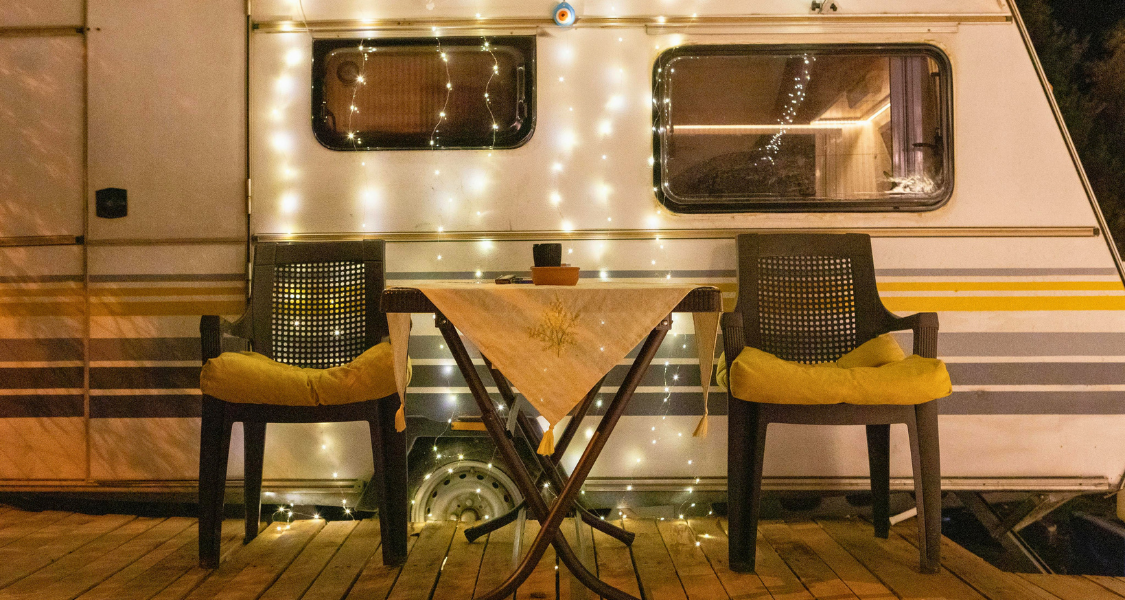
Booking a camper rental South Africa trip feels like freedom on paper. Open roads, remote campsites, and the kind of views you don’t get from a hotel balcony.
Then reality kicks in.
You’re driving a fully loaded 4x4 camper, sometimes towing an off road camper trailer, figuring out terrain you’ve never handled before, and sharing space with people who absolutely know what they’re doing. That’s usually where small mistakes start stacking up.
Most first-time renters don’t get into trouble because they’re reckless. They get into trouble because no one explains the unwritten rules.
4x4 camping in South Africa isn’t just about capability. It’s about responsibility. Remote terrain, shared campsites, and rental equipment mean small decisions carry more weight than they would on a normal road trip.
So let’s make the unwritten rules a lot clearer.
Renting a Camper Isn’t Just Booking Gear
It’s easy to scroll through options, compare specs, and rent a camper that looks perfect for your trip. That part takes minutes.
Using it properly is where things change.
Camper rental South Africa trips involve more than just driving from point A to point B. You’re managing a vehicle, a living space, and often an off road camper trailer in conditions that aren’t forgiving.
Most issues don’t happen during booking. They happen when:
The camper van isn’t handled correctly on rough terrain
Campsite etiquette gets ignored
Basic checks get skipped
4x4 camping isn’t complicated, but it expects awareness. The kind you don’t get from a product listing.
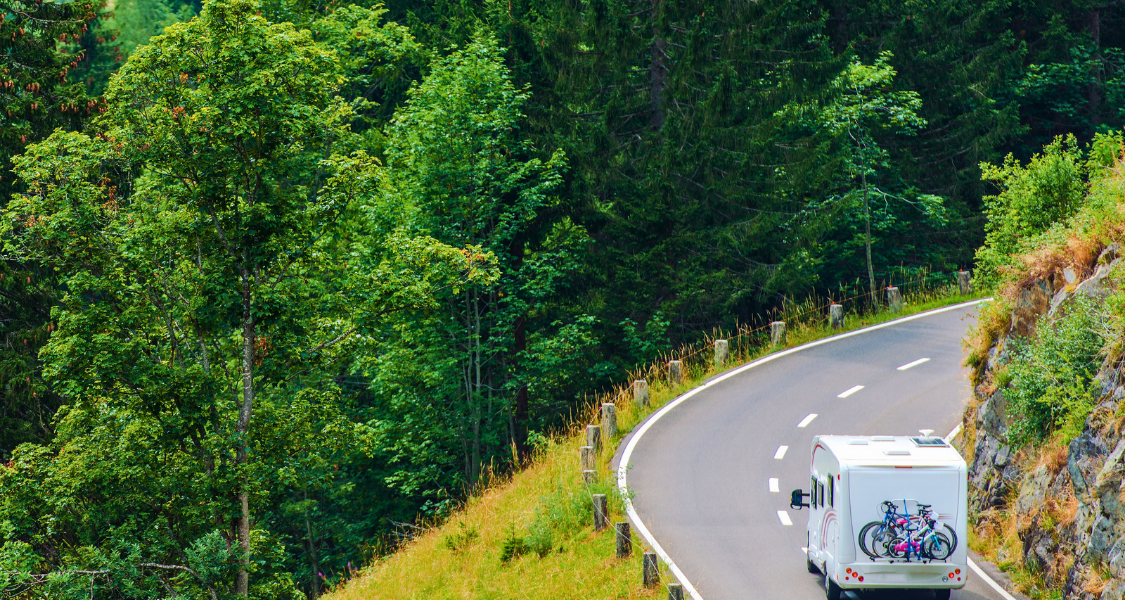
The Mindset Shift: It’s Not Your Camper
This is where everything starts.
When you’re using your own vehicle, you naturally pay attention. When it’s a rented 4x4 camper or camper van, that mindset can slip without you even noticing.
That’s where problems creep in.
Small things add up quickly:
Driving a little harder than you normally would
Skipping checks because “it should be fine”
Parking carelessly on uneven terrain
A 4x4 camper isn’t just transport. It’s equipment that needs to come back in the same condition it left in.
Once you shift into that mindset early, everything else becomes easier.
Before You Even Leave: The Checks Most Renters Skip
Most people are focused on the route, not the setup. That’s backwards.
Before you even think about how to drive 4x4 terrain, you need to make sure everything is ready to handle it. If you’re still learning how to drive a 4x4, South Africa routes can be less forgiving than you expect.
Start with a proper walkaround. Not a quick glance, but a good check.
Check tyre pressure based on terrain, not just what’s printed on the vehicle. Sand driving often requires deflation, while gravel needs stability and grip.
Look at the sidewall condition, not just the tread. Sidewall damage is one of the big things to watch for on 4x4 trails, especially around rocks, ruts, and sharp edges.
Confirm your spare tyre is accessible and properly inflated. A spare buried under gear won’t help you when you need it.
Inspect the tow hitch locking pin and safety chains if you’re using an off road camper trailer. A loose connection here becomes a serious hazard.
Test brake lights and trailer indicators together, not separately. Misalignment is one of the most common roadside issues.
Check load balance so weight isn’t uneven. Poor distribution affects braking, steering, and towing stability.
If you’re unsure what you should be checking, it helps to run through a proper 4x4 checklist with must-have gear before heading out.
These checks don’t take long but skipping them can cost you hours, or your deposit.
4x4 Driving Etiquette (Not Just Technique)
Knowing how to drive 4x4 terrain is one thing. Knowing how to behave on it is something else entirely.
Driving etiquette on 4x4 trails isn’t just about being polite. It’s about not damaging the trail for the next person.
On sand, keep momentum steady instead of accelerating aggressively. Spinning wheels digs ruts that make the route harder for everyone else.
On gravel, avoid sudden braking where possible. It reduces control, throws up loose stones, and adds to surface damage over time.
When approaching obstacles, don’t create bypass tracks. If you can’t do it safely, turn back.
Walk difficult sections before attempting them. Guessing from the driver’s seat is how undercarriage damage happens.
South Africa has some of the best routes in the world, but they rely on people respecting them. If you’re exploring routes like those listed in South Africa’s 4x4 trails, your responsibility is to leave them exactly as you found them.
Guidelines from SANParks and experienced trail operators follow the same principle: stay on the trail, or don’t drive it.
In many cases, permits or advance bookings are required for certain 4x4 trails, especially in protected areas. Checking access rules beforehand avoids unnecessary rerouting or fines.
Off-Road Camping Etiquette That Matters
Anyone can park a camper van. Not everyone knows how to share space properly.
When you’re out with a 4x4 camper or an off road camper trailer, you’re not alone. Even remote sites have an unspoken rhythm.
4x4 camping etiquette becomes obvious the moment you’re parked next to someone who ignores it.
Don’t run your engine unnecessarily once you’re set up. Idling next to another campsite isn’t background noise.
Keep your setup footprint tight. Spreading gear into shared space quickly irritates neighboring campers.
Be aware of wind direction when cooking. Strong smells travel further than you think in open environments.
Use dim or controlled lighting at night instead of full floodlights. Bright LEDs feel like daylight to everyone else.
Manage waste properly and use designated disposal areas. Never leave anything behind.
A recent nature-based tourism booklet also refers to Leave No Trace principles, proper waste disposal, reducing campfire impact, respecting wildlife, and following reserve or park rules.
The Reality of Damage (And Why It Happens)
Here’s what most renters don’t realise. Damage rarely comes from one big mistake. It comes from a series of small ones.
Undercarriage damage often happens when:
You enter dips too fast
You misjudge ground clearance
You don’t spot rocks hidden in grass
Tyre damage shows up when:
You drive on low pressure for too long on gravel
You clip sharp rocks instead of navigating around them
Towing issues happen when:
Weight isn’t distributed properly
The off road camper trailer pushes the vehicle downhill
None of this feels dramatic in the moment. That’s exactly why it catches people off guard.
Insurance, Deposits, and Why Responsibility Matters
Most camper rental South Africa setups include a daily insurance fee. That gives you a level of protection if something goes wrong, but it’s still worth understanding how it works before you head out.
There’s usually an excess, along with clear terms around misuse and avoidable damage. This is where a lot of confusion happens, especially if it’s your first time renting a 4x4 camper or towing an off road camper trailer.
The easiest way to avoid surprises is to treat the camper like your own and stay within what it’s designed to handle. That includes taking a bit of time to understand how to drive 4x4 terrain properly, checking your setup before moving, and not pushing the vehicle or trailer beyond what you’re comfortable with.
Most issues aren’t big, dramatic moments. They’re small decisions that add up over the course of a trip.
If you keep that in mind, insurance becomes what it’s meant to be, a safety net, not something you have to rely on.
If you’re thinking beyond one trip and weighing your options properly, it’s worth understanding the bigger picture. This breakdown of camper hire vs buying in South Africa gives useful context around long-term costs and responsibility.
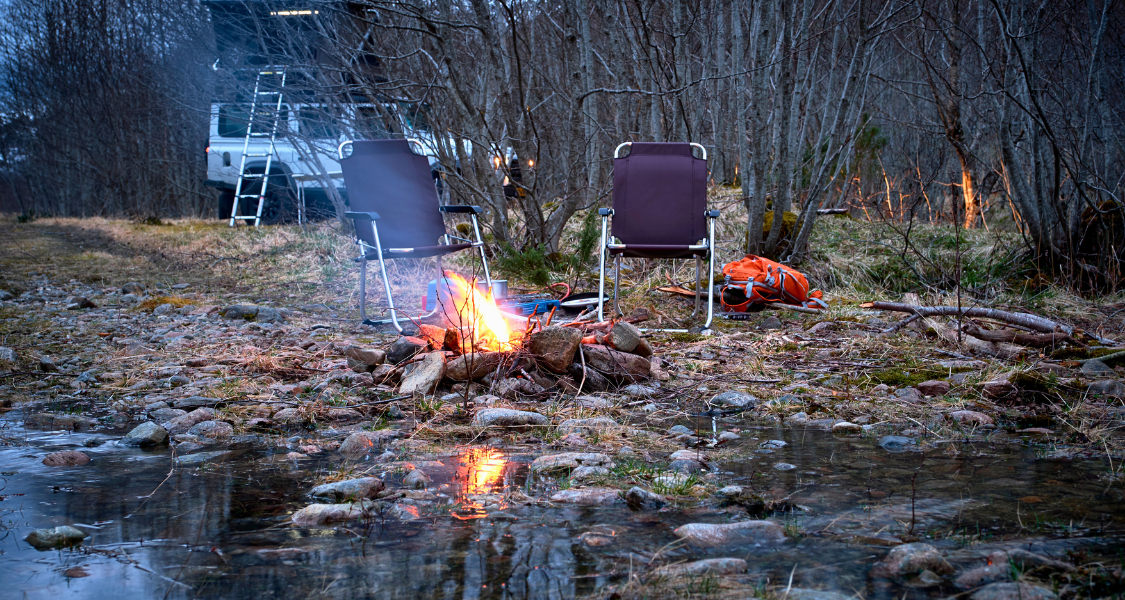 Returning a Camper Properly (Where Most People Get It Wrong)
This is where things start to slip.
The trip goes well. Everything works. Then the return gets rushed, and that’s where small problems creep in.
Returning a camper rental South Africa vehicle properly isn’t complicated, but it does require a bit of attention at the end of the trip. You’re not just dropping off keys, you’re handing the camper back in a condition someone else can use straight away.
Before you return it, take a few minutes to go through the basics:
Empty grey water tanks at proper dump points, not at your campsite
Sweep out sand and debris from inside the camper van, because that buildup starts damaging fittings over time
Check that all included equipment is packed and accounted for before drop-off
Refill any required basics if it’s part of your agreement
Report even minor scrapes or issues honestly instead of hoping they won’t be noticed
Most deposit issues don’t come from major damage. They come from small things that were ignored at the end.
Treat the return as part of the trip, not something separate from it, and you avoid almost all of those problems.
Camper rental South Africa: 4x4 camping etiquette that makes or breaks your trip
4x4 camping isn’t just about where you go. It’s about how you show up.
Drive with awareness, camp with respect, and return the camper like someone else is using it tomorrow, because they probably are.
If you’re planning a camper rental South Africa trip, this is what separates a smooth, stress-free experience from one that costs you time, money, and unnecessary frustration.
Start with the right setup. Understand how your 4x4 camper or camper van should be handled. Take the extra few minutes to do things properly before, during, and after your trip.
When you do that, everything changes. Fewer issues, no surprises at handover, and a trip that feels as easy as it should.
If you’re ready to do it properly from the start, explore your options and book through 4x4things. Get the right setup, the right support, and a trip that doesn’t need fixing halfway through.
Get it right the first time and you won’t just avoid mistakes. You’ll enjoy 4x4 camping the way it’s meant to be.