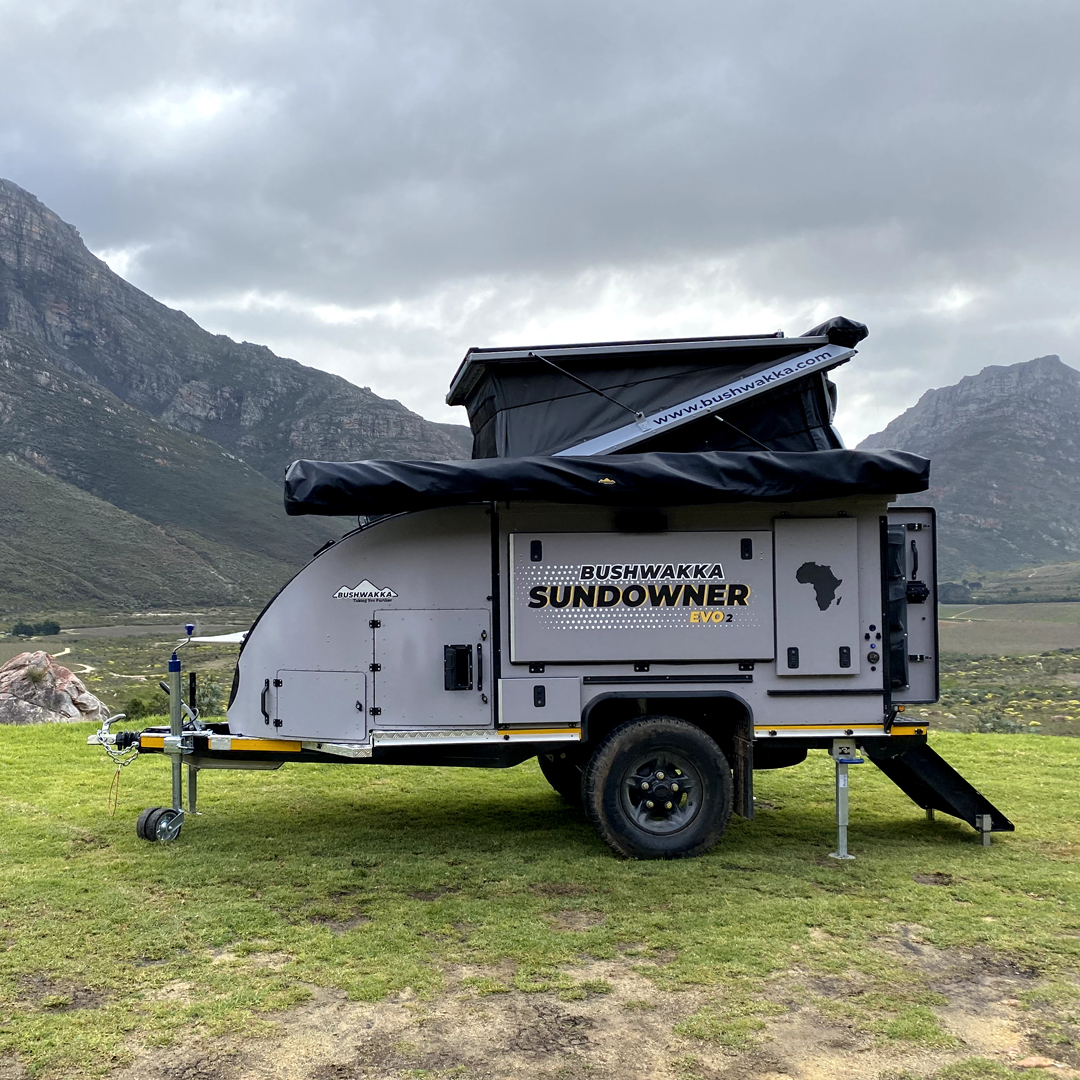
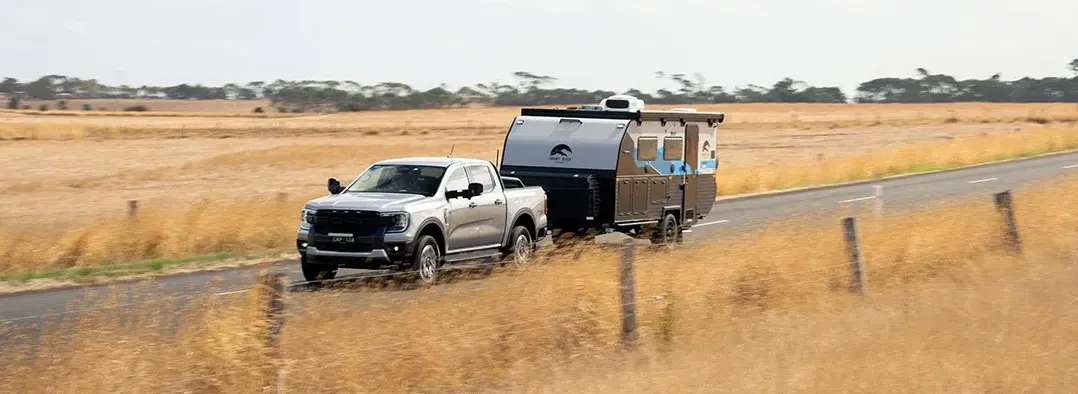
Whether you're about to book a rental caravan for a long weekend or sign for one on the marketplace, the same question lands before you can do either: are you actually allowed to tow this thing?
The answer comes down to one number, your trailer's GVM, and one licence code, EB. Get it wrong and you're not just risking a fine; you're risking a declined insurance claim if anything goes wrong along the way. This guide walks through the 750kg rule, how to check it against a real listing, what happens if you tow without the right licence, and exactly how to get a Code EB licence if you need one.
If you're still deciding whether renting or buying makes more sense for you, our full off-road caravan buying guide and this piece on whether renting or buying is right for you are worth reading alongside this one.
Do You Need a Code EB Licence for Your Caravan? (The 750kg Rule)
Most off-road caravans need it. Here's the quick version.
A standard driving licence in South Africa is Code B, and it only covers towing a trailer with a GVM (gross vehicle mass, meaning fully loaded, not empty) of less than 750kg. Almost every genuine off-road caravan, and most camper trailers with a kitchen and proper suspension, exceeds that threshold once you add water, gas, and gear. If your trailer's GVM is 750kg or more, you need a Code EB licence to tow it legally, whether you're renting it for a week or even just driving it home after buying it.
The number that matters is GVM, not tare (empty) weight, and the difference between the two trips a lot of people up. Tare is what the trailer weighs empty, straight off the factory floor. GVM is the maximum it's rated to weigh once everything is loaded: water tank full, gas bottles fitted, batteries installed, and your camping gear packed. A caravan with a tare of just 600kg can easily carry a GVM of 1,400kg once you account for a full water tank, gas, and gear, which is exactly why checking tare weight alone gives you a false sense of security. Always check the GVM figure specifically, not the tare weight, before assuming a Code B licence covers you.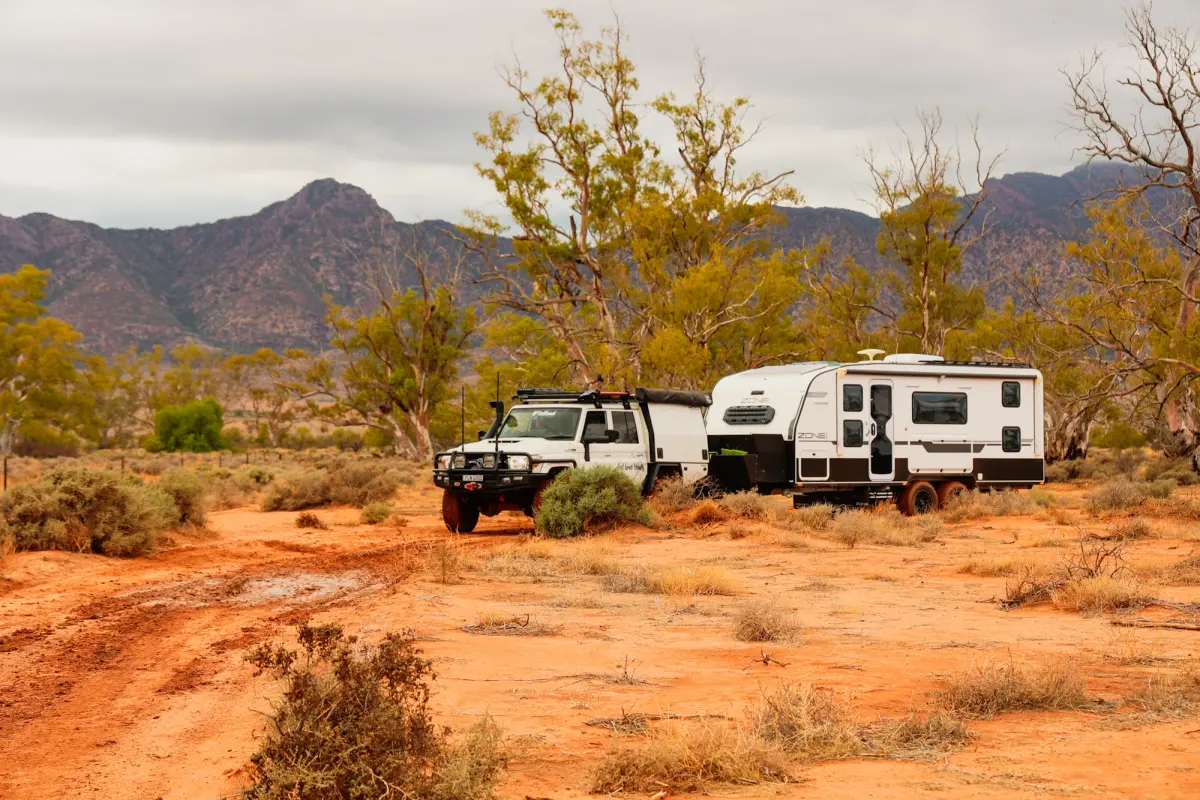
Code B vs Code EB: What's the Difference
This is the part that confuses most people, and it's worth resolving properly before you go any further.
According to the Department of Transport, Code B covers a motor vehicle with a gross vehicle mass not exceeding 3,500kg, essentially a standard car or bakkie licence. Code EB covers a light motor vehicle towing a trailer where the gross combination mass (tow vehicle plus trailer, fully loaded) doesn't exceed 3,500kg. In practice, industry guidance from the Automobile Association translates this into the figure everyone actually uses day to day: a Code B licence lets you tow a trailer under 750kg fully laden, and anything heavier needs Code EB.
If you're wondering whether an older licence already covers this, here's the short answer: it depends on when you got it. Before South Africa moved to credit-card format licences in 2000, the old Code 8 licence was automatically converted to Code EB, which means if you've held a licence since before 2000, you likely already have EB cover and don't need to do anything. Anyone who has only ever held a post-2000 standard licence has Code B only, not EB. Codes 10 and 14 relate to older heavy-vehicle categories and aren't relevant to caravan towing specifically. If you hold a Code C1 licence (for mid-sized goods vehicles), that doesn't automatically include EB either; it covers a different weight category entirely, and towing a caravan still requires the EB endorsement on top of it.
The safest way to check is to look at the codes printed on your physical licence card. If EB isn't listed, you don't have it yet.
Renting vs. Buying: Does the Licence Rule Change? (No - Here's Why)
No. The 750kg rule is about the trailer's GVM, not about who owns it or how you're using it.
Whether you're renting a caravan for a weekend through a marketplace like 4x4Things or buying one outright, the licence requirement is identical, because it's the trailer's weight being towed behind your vehicle that the law cares about, not the ownership arrangement. A rental company can't legally waive this requirement, and neither can a private seller. If you're planning to rent first before deciding whether to buy, it's worth reading our camper rental etiquette guide alongside this one, since towing responsibly starts with being legally entitled to tow in the first place.
How to Check Your Trailer's GVM (With Real Rental and For-Sale Examples)
GVM is always listed on the specifications tab of a proper caravan listing, and it takes seconds to check.
Here's what that looks like on real, currently listed 4x4Things trailers, spanning both the rental and for-sale sides of the platform:
| Listing | Type | GVM | Licence needed |
|---|---|---|---|
| Easy Camp Trailer (Jeffreys Bay) | Rental | Under 750kg | Code B |
| 2022 Bundutec Bundutrail (Middelburg) | For sale | 1,100kg | Code EB |
| Jaguar Kovu 4 (Brackenfell) | For sale | 1,600kg | Code EB |
On the rental side specifically, most listings should carry a visible "B" or "EB" badge near the title. To see an example of this, you can visit our off-road caravans to rent listings and use the on-page filter to filter all by licence type. That way you only see what you're already licensed to tow. It's a useful shortcut if you're not sure where you stand.
One important caveat: badges and rule text on a listing can occasionally be inconsistent with each other, since they're entered separately by different owners. Always confirm the actual GVM figure on the specifications tab of the specific listing you're interested in, rather than relying on the badge or the trailer type alone. If anything looks unclear or contradictory, we suggest that you message the owner or the platform to confirm before you book or buy.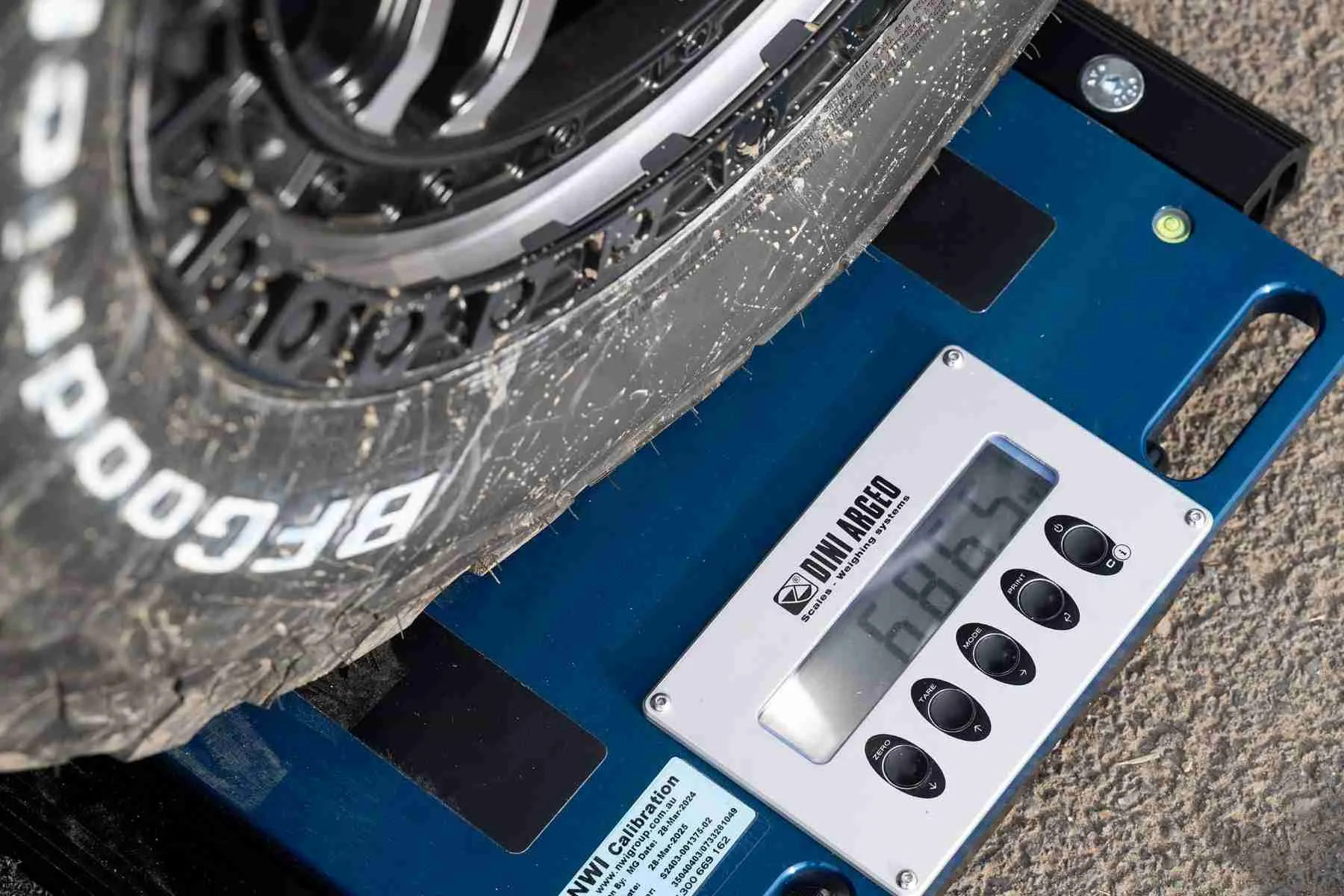
What Happens If You Tow Without the Right Licence
Two things happen, and the second one usually costs more than the first.
Towing without the correct licence code is a traffic offence, and if you're stopped, you can be fined on the spot. But the bigger risk sits with your insurance. Insurers generally require that the driver holds a licence valid for the vehicle-and-trailer combination being driven, and towing a trailer that needs a Code EB licence on a Code B licence alone is a meaningful gap in cover, not a technicality. If you're in an accident while towing without the correct licence, your insurer may be entitled to decline the claim entirely.
This is different from a simply expired licence disc, which the National Financial Ombud Scheme (the body that handles exactly these disputes) has previously required insurers to assess on the actual prejudice caused, rather than rejecting automatically. Never having held the correct licence code at all is a stronger basis for a declined claim, since it goes to whether you were ever legally competent to tow that combination in the first place. Either way, if a claim is disputed, NFOSA is the free, independent body that reviews it. It's worth checking what 4x4Things' built-in insurance covers before you rent or buy, so you know exactly where you stand if something goes wrong.
How to Get Your Code EB Licence: Steps, Cost & Timeline
The process runs through the same driving licence testing centre (DLTC) system as any other licence upgrade.
You'll need to book and pass a learner's licence test for the EB category first, then book a driving test using a vehicle and trailer combination that meets the EB weight requirements. The test itself covers a pre-drive safety check, a yard section (including reversing in a straight line and hitching/unhitching the trailer), and an on-road assessment. Costs vary by testing station and whether you take lessons beforehand, but budget for a learner's test booking and issue fee, a series of lessons if you're not already confident towing (most people need several), a driving test booking fee, and a licence issuing fee once you pass. All in, most people spend somewhere between R1,500 and R5,000 depending on how many lessons they need, and the Department of Transport states that a driving licence card should be ready within four to six weeks of passing, though the full process, including booking slots at a busy DLTC, often stretches closer to six to eight weeks in practice. If you're planning to buy or rent a caravan and don't yet have EB, factor that timeline into your plans rather than assuming you can sort it out the week before your trip.
A few practical notes worth knowing before you book: you'll need a valid learner's licence for the EB category before you can book the driving test itself, and the test uses an actual vehicle-and-trailer combination, so you'll need access to one, whether that's a driving school's setup or your own tow vehicle and a suitable trailer. Not every testing station handles EB tests regularly, so it's worth calling ahead to confirm your local DLTC can accommodate one before you book, rather than discovering on the day that you need to travel further afield.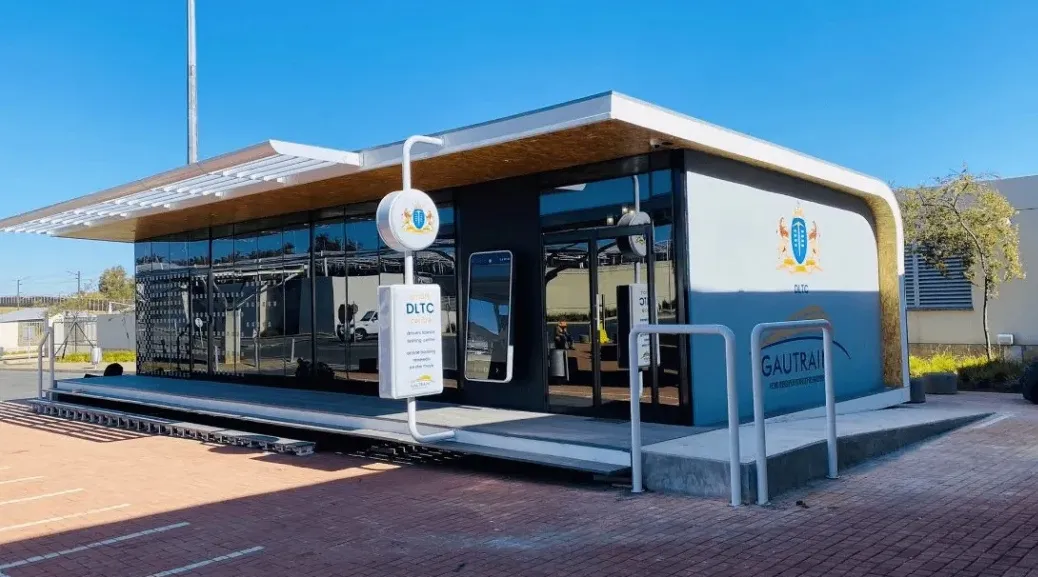
Common Myths About the EB Licence
A few misconceptions come up constantly in South African 4x4 forums and Facebook groups, so it's worth clearing them up directly.
"My Code B licence covers small caravans." Only if the caravan's GVM is genuinely under 750kg, which rules out almost every proper off-road caravan on the market.
"I've been towing for years without EB, so it must be fine." Towing without the correct licence doesn't become legal through repetition, and the risk (a fine, or a declined insurance claim) is the same on your hundredth trip as your first.
"Code EB is the same as the old Code 8." Not quite; Code 8 licences issued before 2000 were automatically converted to Code EB, so if you hold one of those, you're covered. But Code EB isn't simply a renamed Code 8; it's a distinct category with its own test.
"Rental caravans don't need the same licence rules as ones I buy." As covered above, the rule is about the trailer's weight, not who owns it, so this one's a myth in either direction.
"If my tow vehicle can handle the weight, my licence doesn't matter." Your vehicle's towing capacity and your legal right to tow that weight are two completely separate questions, and you need both sorted before you hit the road.
Once you know which licence you hold and which one you need, the rest is straightforward: browse off-road caravans to rent using the B/EB filter to see only what you're already licensed for, or browse off-road caravans for sale if you're ready to buy.